
How a premium Wagyu brand cut spoilage from 12% to 1.4% by rebuilding their checkout around cold chain physics by implementing a customized meat ERP solution.
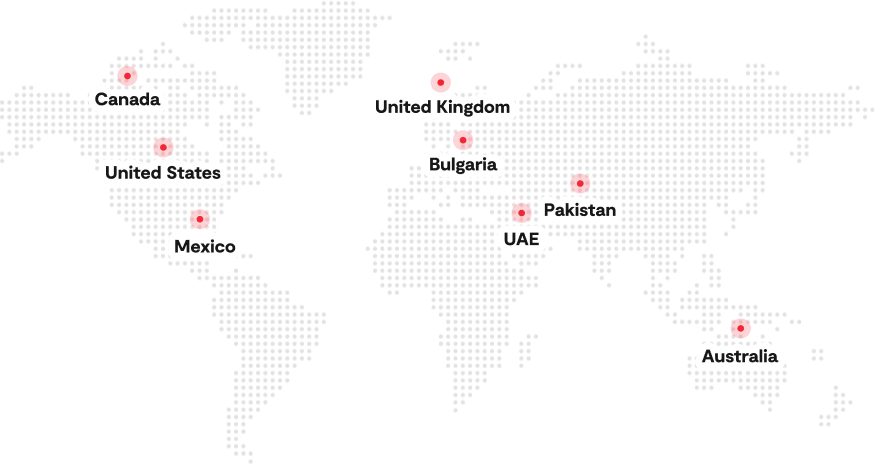
The post-mortem meeting started at 8:00 AM on a Tuesday, but the energy in the room mirrored a midnight crisis. The leadership team of a premium, heritage-breed Wagyu producer, shipping over 8,000 orders per month from three regional hubs across the U.S., was reviewing the fallout from the peak holiday rush. In just three weeks, they had issued $45,000 in refunds strictly due to spoiled meat.
With an average order value of $250, a 12% spoilage rate wasn't just a financial hit; it was a brand disaster.
"We're not just losing margins; we're losing our reputation," the CEO stated. "We ship a $300 brisket, it arrives warm on a Monday, and that customer never shops with us again."
The root cause became evident during the initial discovery with the Folio3 FoodTech team. The brand's e-commerce platform was "logistics-blind"; it treated highly perishable premium meat the same way it would treat a t-shirt.As the Folio3 team mapped out operations, the first major structural flaw appeared. The brand was running a national fulfillment network using a single-site digital mindset.
"The site was making promises our East Coast hub had already missed," the Operations Manager admitted.
The problem was straightforward: the website ran on a Pacific Time clock with a blanket 3:00 PM cutoff. A New Yorker ordering at 2:00 PM EST would see a "Ships Today" promise, but the local trucks in New York had already departed. This disconnect meant that optimizing the meat supply chain across multiple fulfillment hubs required rethinking the checkout from the ground up.The Folio3 Solutions Architect disconnected the checkout from its single global clock and introduced "Origin-Logic." The system was reconfigured to instantly check the shopper's zip code, locate the closest warehouse with available stock, and apply that specific warehouse's local cutoff time.
If a customer lived in a rural zip code where overnight shipping wasn't available, the supply chain management software built for perishable logistics proactively restricted the order, ensuring high-risk perishables were never sent into transit dead zones. In parallel, the team upgraded the customer-facing experience with a purpose-built meat delivery application that reflected these intelligent routing rules in real time.
The most silent and expensive threat to direct-to-consumer meat brands is the "Weekend Gap."
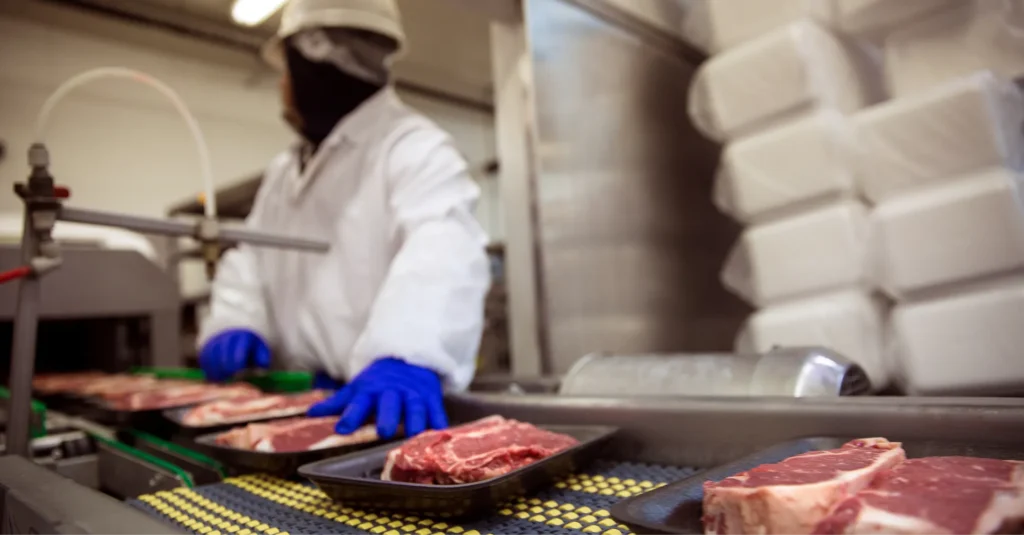
"If we ship on a Thursday with a two-day transit and a minor delay occurs, that box sits in a non-refrigerated sorting facility until Monday morning," the Folio3 Logistics Specialist explained. "The meat is ruined before it reaches the porch."
The math was unforgiving. While standard parcels move seven days a week, the specialized express lanes used for high-value perishables essentially freeze over the weekend. Without proper meat preservation and storage methods maintained throughout transit, any gap in the cold chain was catastrophic.Folio3 implemented a "Transit-Aware" checkout calendar. If the selected ship date plus the required transit time landed on a Saturday, Sunday, or Monday, where Sunday idling was likely, the system removed those shipping options entirely.
The team also built a centralized "Weather Switch." When a blizzard grounded flights in the Midwest, the Operations Manager blacked out affected zip codes in a few clicks, preventing shoppers from buying meat that would inevitably end up stranded in a snow-blocked hub.
Digital scalability is virtually limitless, but physical warehouse space is not. The brand's marketing team often ran flash sales, generating 3,000 orders in a single afternoon. However, the Nevada packing facility only had the table space, dry ice, and labor to pack 1,200 coolers a day.
"The backlog is exactly where our spoilage starts," the Warehouse Lead emphasized. "By the time the overflow boxes get loaded onto a truck, the dry ice is already half depleted."
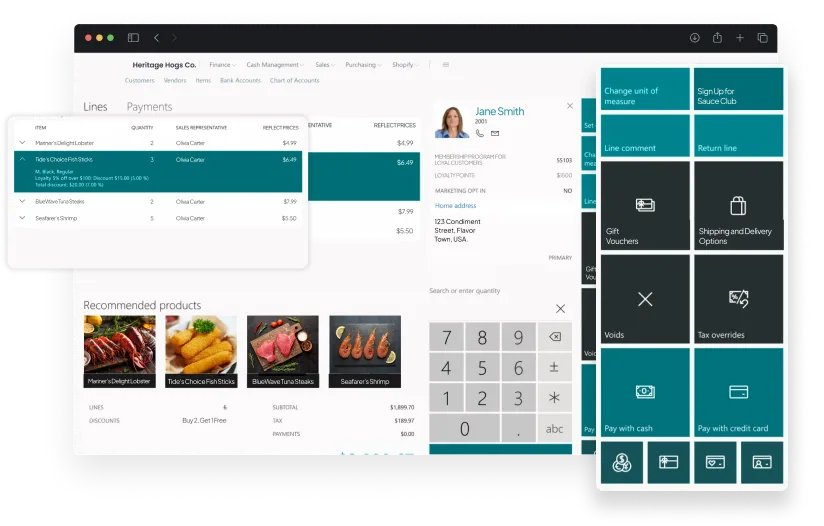
With evolving meat packaging standards demanding tighter temperature compliance, the gap between digital orders and physical capacity was an existential risk. The key to streamlining meat processing plant operations was treating packing capacity like a finite, bookable resource.Folio3 set a daily limit of 1,200 orders for the Nevada hub. Once the cap was reached for a specific shipping day, that date grayed out on the website, and the next customer was gently prompted to select the following day.
Simultaneously, the system managed carrier performance by region, automatically hiding underperforming carriers from shoppers in zones where they had poor track records.
Even with a perfectly optimized website, human nature introduced a final failure point. Customer Service Representatives were frequently overriding the system to appease frustrated shoppers.
"Our rep wants to provide great service, so they manually change the delivery date," the Customer Service Manager explained. "They don't realize they just bypassed every cold-chain safety rule we built."
Folio3 applied the same safety rules to internal employee portals that existed on the public website. If a CSR attempted to force a delivery date that violated transit rules, the system blocked the action with a clear warning. Deploying smart ERP-driven traceability for meat processors meant every authorized change was recorded in a permanent digital log.
With end-to-end meat traceability in place, the Operations Manager could instantly trace any failed delivery to see exactly who moved a date and which rule allowed it, replacing guesswork with total accountability.
Three months after Folio3 FoodTech rolled out the fully integrated meat processing ERP software, the subsequent holiday season was managed not with emergency meetings, but with predictable, controlled logistics.
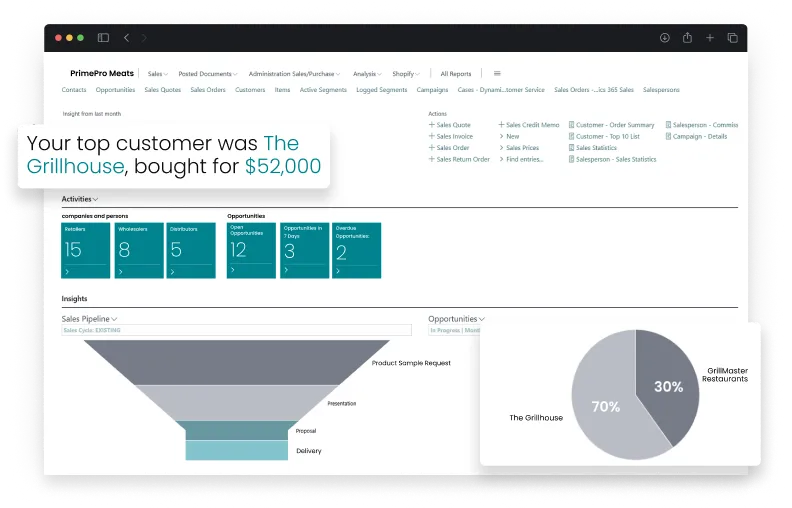
The results reflect a broader truth: the challenges confronting the meat industry demand systems that bridge digital promises with physical reality.
Spoilage Reduction: Spoilage-related refunds plummeted from 12% to 1.4%.
Internal Efficiency: Customer service shipping errors dropped by 40%, down from an average of 35 weekly incidents to 21, as the system physically prevented reps from making unsafe promises.
Delivery Success: Order accuracy, delivering the right product at a safe temperature on the promised day, climbed from 91% to 99.2%.
By abandoning the "single clock" illusion and implementing logic that respected the physical limits of perishable goods, the brand didn't just recover its profit margins; it secured the long-term trust of its premium buyers.
If your brand is struggling with transit spoilage, warehouse backlogs, or multi-hub time zone issues, it's time to upgrade your logic. Explore our Meat ERP solutions or discover custom meat technology solutions tailored to your operation.
Talk to a Folio3 FoodTech Solutions Architect today!