
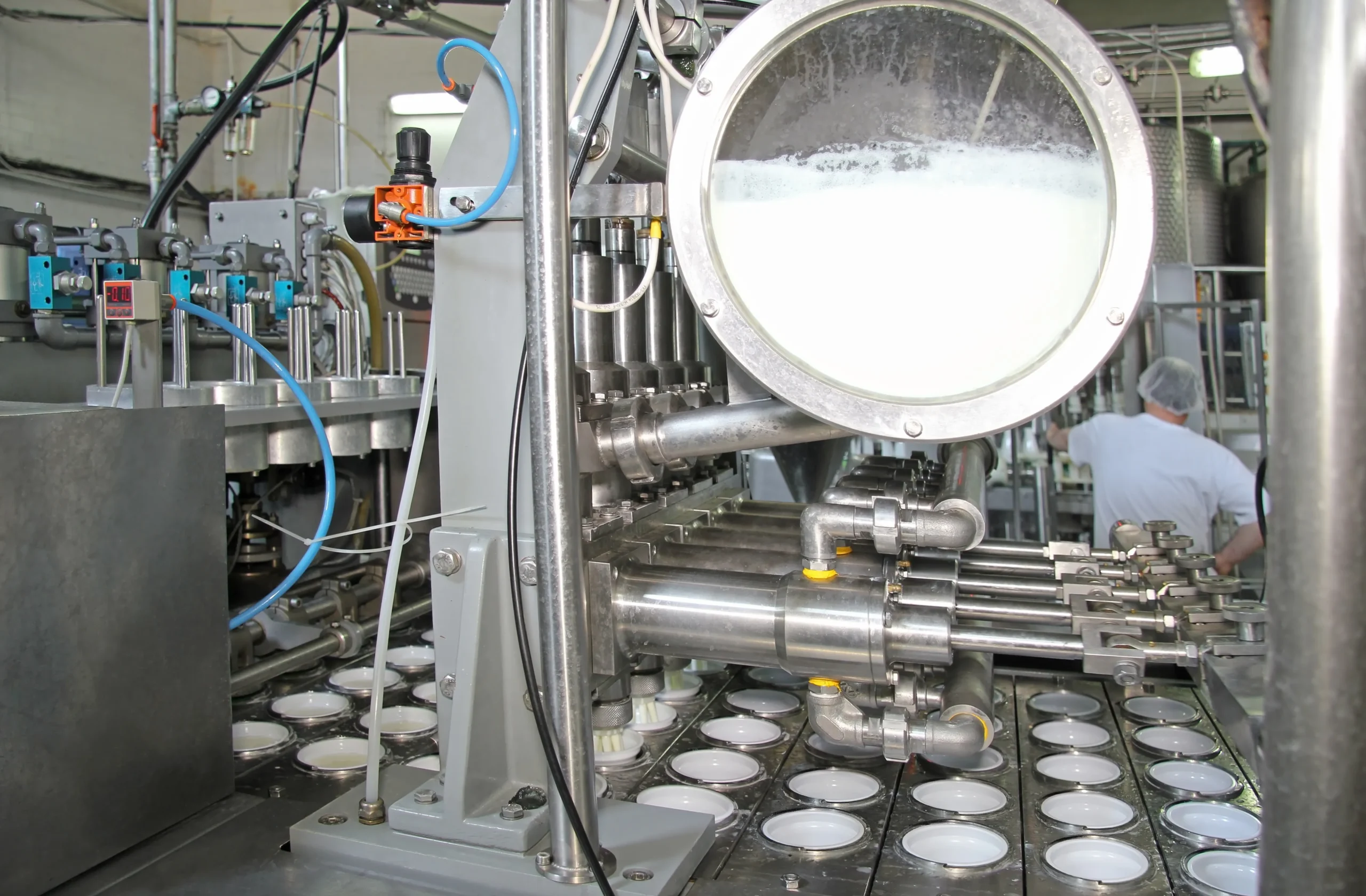
A four-site organic dairy and beverage processor headquartered in Denver, operating across Colorado, California, Texas, and Wisconsin with 200+ SKUs. It serves both retail and D2C channels and discovered that its regional plants were reporting different raw material costs for the same ingredients. Inventory was vanishing between state lines, and the finance team was closing books three weeks after the month had ended. This is the story of how a unified Food ERP turned four disconnected plants into a single operating system. Understanding what a Food ERP implementation actually looks like in practice was the first step.
The CFO presented three conflicting cost reports to the board. California, Texas, and Wisconsin were all reporting different raw material costs for the same organic stabilizers. Meanwhile, the corporate procurement team was manually calling regional managers to check stock levels, and Wisconsin was independently ordering from a local vendor at a 15% premium.
""We’re bidding against ourselves and leaving six figures on the table."
— Procurement Director
The problem was structural. Without centralized visibility, managing a dairy supply chain across multiple production hubs was impossible. Each plant operated as its own purchasing island.
The Food ERP was architected with a Centralized Purchasing Model using “Parent-Child” entity relationships. Denver maintained a unified Vendor Portal where all RFQs were aggregated. When a regional hub required materials, the system identified existing master contracts and price tiers, preventing maverick spending. Automated vendor compliance ensured that if a supplier’s organic certification expired, the ERP blocked new Purchase Orders across all four sites. By consolidating demand through food and beverage procurement software designed for multi-site operations, the enterprise negotiated tiered pricing based on total company volume, converting procurement from a clerical task into a strategic financial lever that directly lowered COGS.
The procurement problem trickled onto the production floor. Wisconsin initiated a batch using a stabilizer that had just arrived, but the Master Recipe had been updated in Denver and communicated only via email. The supervisor used an outdated Bill of Materials.

"The Texas batch tastes different than the Wisconsin batch. In organic dairy, consistency is our brand protection. We can’t rely on ‘latest-version’ emails."
— Quality Assurance Lead
The team implemented a “Global Master Recipe” (GMR) architecture through a food manufacturing management platform that enforced a single source of truth at HQ, while allowing “Localized Production Versions” for regional equipment variances. When Denver updated a recipe, the change pushed to all hubs instantly. Work Orders could not be released to the shop floor unless they used the currently approved “Active” BOM version. For allergen management, the ERP links ingredient attributes directly to the labeling module. If a batch used an allergen-flagged ingredient, the system triggered correct label printing and enforced a mandatory sanitation checkpoint before the next non-allergen run.
Texas had overproduced organic yogurt while California faced a stockout. A transfer was initiated, but the inventory “disappeared” the moment it left Austin. The plants ran on disconnected databases; California had no way of knowing what was arriving or when.
"Our inventory visibility stops at the state line. We can’t commit to orders we can’t see."
— California Operations Manager
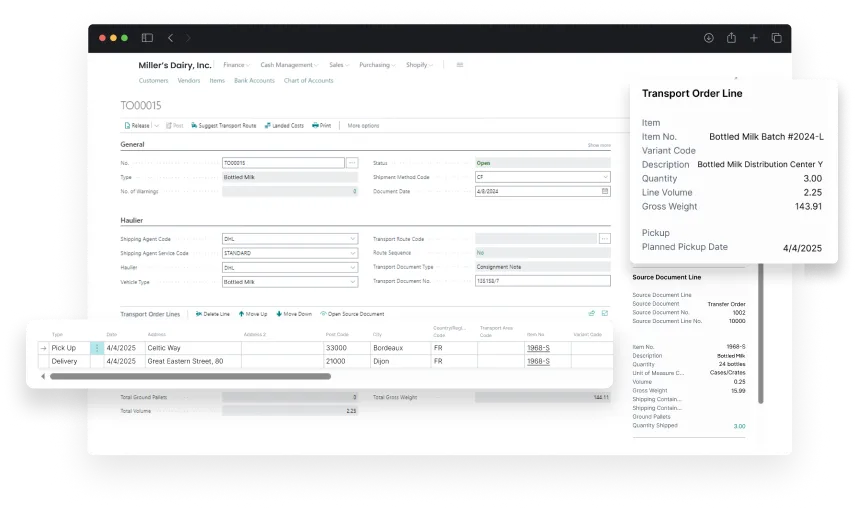
The ERP replaced manual inventory adjustments with automated Inter-company Transfer (ICT) workflows powered by food manufacturing inventory software built for multi-location visibility. Inventory marked as “Fulfilled” in Texas automatically triggered a “Pending Receipt” status in California. During transit, inventory value resided in a specialized “In-Transit” ledger account, keeping the balance sheet accurate while providing warehouse visibility. The system also handled Unit of Measure conversion. Texas shipped in bulk “Totes” but California received in “Cases” automating conversion so stock levels remained accurate without manual re-entry.
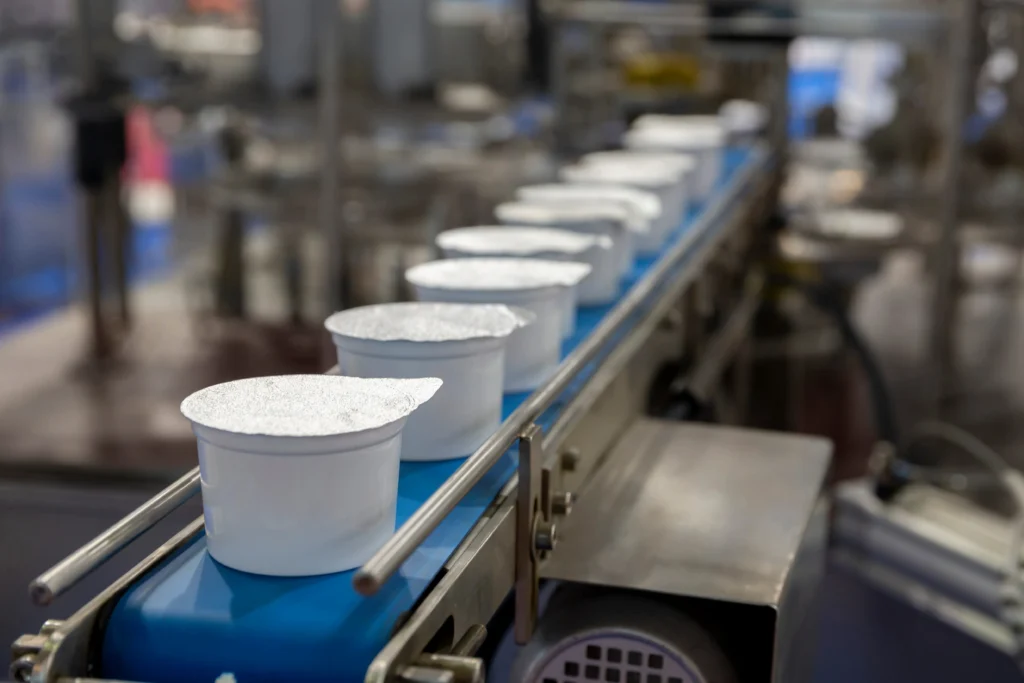
When the yogurt finally reached California, a major retailer expected a shipment with strict OTIF requirements. The transit delay meant the product now had only 18 days of remaining shelf life, but the contract required a minimum of 21 days upon receipt.
"If we send a batch with inadequate shelf life, we get hit with chargebacks. We need a system that knows the rules before we print the shipping label."
— Dispatch Manager
Understanding how a distribution module in an ERP transforms food logistics was essential to solving this last-mile compliance gap.
The food and beverage distribution software integrated a “Retailer Profile” module storing specific shelf-life and delivery window requirements per account. During fulfillment, the system applied FEFO (First-Expired, First-Out) logic with a “Shelf-Life Validation” filter. If a lot didn’t meet the retailer’s threshold, the ERP hard-blocked the fulfillment and suggested an alternative route, such as a local D2C outlet with shorter lead times, protecting the brand from chargebacks. Integrated route optimization calculated the fastest transit path based on temperature-controlled freight requirements, ensuring the cold chain was maintained.
Back at Denver HQ, it was the 20th of the month, and the finance team was still reconciling Texas transfers and California freight costs. The true cost of the product wasn’t known until a month after it had been consumed.
"We don’t need a 20-day autopsy. We need a 48-hour close and a live dashboard."
— CFO, Denver Organic Hub
The team implemented a “Record-to-Report” (R2R) architecture that automated inter-company eliminations. The “Sale” from Texas and the “Purchase” by California were washed out at the corporate level in real time. By connecting Order-to-Cash and Procure-to-Pay cycles directly to a unified General Ledger, every production scan and shipping charge is posted instantly. This created a “Live COGS” dashboard powered by integrated supply chain management software feeding directly into the Food ERP hub, where the CFO saw real-time profitability by site and product line, enabling proactive production adjustments before a surplus in Wisconsin became a spoilage problem in Denver.
The transition from localized silos to a unified Food ERP delivered measurable enterprise-scale results:
“We stopped fighting our own data and started using it to scale.”
— CEO, Denver Organic Hub.
Scaling a food enterprise across state lines isn’t about adding more plants; it’s about building a single nervous system that sees all of them at once. If your multi-site operation is battling procurement fragmentation, recipe inconsistency, in-transit blind spots, or a month-end close that takes weeks instead of hours, the underlying problem is the same: disconnected data.
Explore how the Folio3 Food ERP ecosystem unifies multi-site operations, or schedule a Multi-Site Operational Audit with our FoodTech Architects to design your own velocity blueprint.