

Food production today operates in a highly regulated and safety-conscious environment, where understanding major food allergens is essential for both consumer protection and business continuity. These allergens are specific ingredients or substances that can trigger adverse immune responses, ranging from mild discomfort to severe, life-threatening reactions. As global supply chains expand and processed foods become more complex, the presence and management of major food allergens have become a central concern across the industry.
The rise in diagnosed allergies has also increased awareness around common food allergens, pushing both regulators and manufacturers to adopt stricter controls. Recent data from the National Center for Health Statistics show that nearly 6.7 percent of U.S. adults had a diagnosed food allergy, highlighting the growing prevalence of common food allergens. From ingredient sourcing to final labeling, every stage of production must account for potential allergen risks. This is not only critical for safeguarding consumers but also for maintaining compliance and avoiding costly recalls.
For food businesses, effectively managing major food allergens requires a structured approach that aligns with a comprehensive guide to food safety. By integrating clear protocols and consistent monitoring, manufacturers can ensure product integrity while meeting evolving safety expectations.
What Are the Major Food Allergens Identified by the FDA?
The major food allergens recognized by the FDA are critical for food manufacturers, processors, and safety professionals to understand. These allergens represent ingredients most likely to trigger significant immune responses, and proper management is essential for compliance and consumer protection. The FDA originally identified the “Big 8” allergens, which accounted for the majority of food allergy reactions, and in recent years, sesame was added to create the “Big 9,” reflecting evolving food safety data and regulatory priorities. Understanding the major food allergens FDA guidelines ensures that both production and labeling practices meet regulatory expectations.
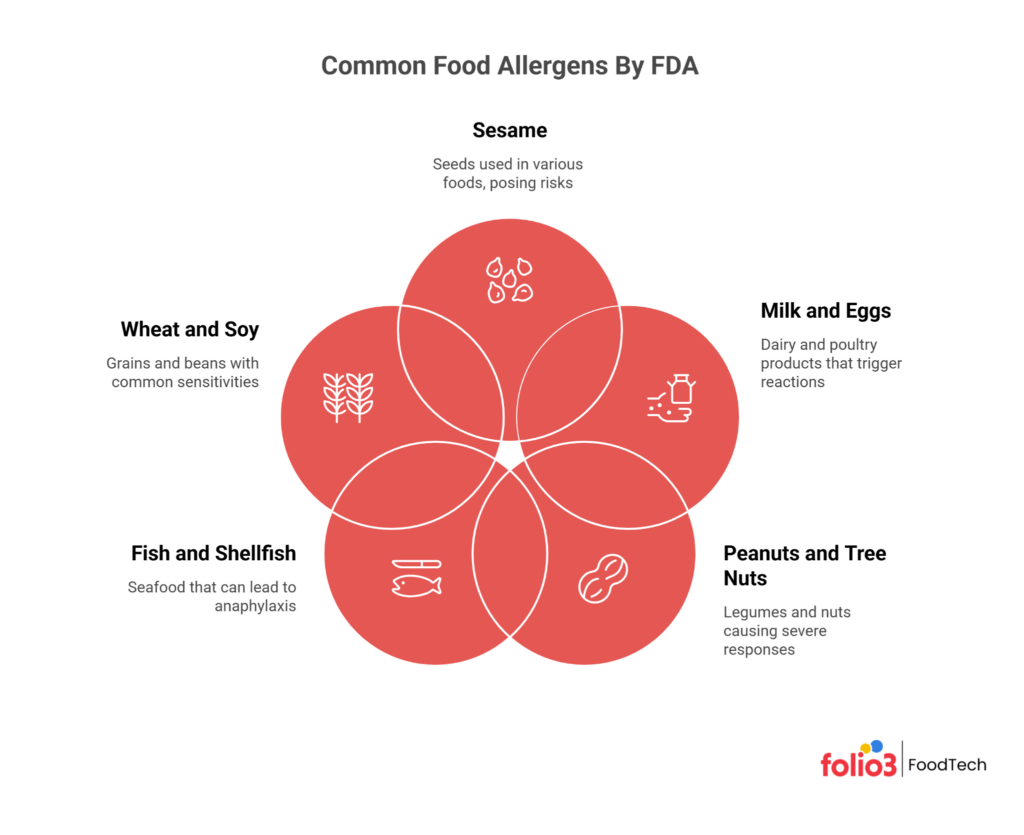
Milk and Eggs
Milk and eggs are among the most common FDA major food allergens, often encountered in dairy products, baked goods, sauces, and processed foods. Hidden sources may include lactose, whey, casein, albumin, and egg-derived emulsifiers. Cross-contact can occur in processing environments where shared equipment is used for multiple products, making strict cleaning and segregation practices essential.
Peanuts and Tree Nuts
Peanuts and tree nuts such as almonds, walnuts, cashews, and pecans are highly allergenic and can provoke severe reactions. These major food allergens identified by the FDA appear not only in snack foods but also in sauces, confections, and processed meals. Hidden ingredients like peanut oil or nut flours pose significant risks if not clearly labeled. Preventing cross-contact in shared production lines is critical to meet food safety standards and protect sensitive consumers.
Fish and Shellfish
Fish (including salmon, cod, and bass) and shellfish (shrimp, crab, lobster) are included in the FDA’s list due to their prevalence and severity of reactions. These allergens are commonly found in seafood dishes, soups, sauces, and prepared meals. Trace contamination during processing can occur through shared cutting boards, cooking oil, or storage equipment. Proper cleaning protocols and food safety compliance measures reduce the risk of accidental exposure.
Wheat and Soy
Wheat and soy are widely used across baking, sauces, cereals, and plant-based products. They are 8 major food allergens under FDA classification and require careful monitoring during manufacturing. Wheat-derived gluten, soy lecithin, and soy protein isolates may appear unexpectedly in various products. Professionals must implement rigorous allergen control plans to avoid cross-contact in industrial food environments.
Sesame
With its addition to the Big 9, sesame is now recognized as an FDA major food allergen. It is commonly used in baked goods, condiments, and processed foods, and hidden sources include sesame oil, tahini, and seeds. Even small amounts can trigger severe reactions, making labeling, segregation, and staff training essential components of food safety risk assessment.
By understanding the major food allergens, FDA classification, and their applications across ingredient sourcing, processing, and packaging, food industry professionals can design safe production systems that minimize exposure risks and maintain regulatory compliance. Awareness and proactive management of these allergens are central to protecting consumers and ensuring consistent quality across food products.
List of Other Common Food Allergens and Hidden Sources
While the major food allergens identified by the FDA cover the most critical risks, food manufacturers and processors must be aware of a broader list of allergens in food. Many ingredients, additives, and flavorings can cause reactions, and hidden sources often make detection challenging. Awareness of these allergens is essential for proper labeling, production segregation, and food safety compliance.
Some of the most common food allergens beyond the Big 9 include:
- Mustard: Found in sauces, dressings, marinades, and processed meats; mustard powder or seeds can be hidden in spice blends.
- Celery: Present in soups, stocks, processed sauces, and ready-to-eat meals; often included as a flavor enhancer.
- Lupin: A legume increasingly used in gluten-free products; can appear in flours, protein isolates, and baked goods.
- Mollusks (clams, mussels, oysters): Common in seafood mixes, chowders, and sauces.
- Corn: Present as cornstarch, corn syrup, or corn protein in many processed foods, including snacks and baked goods.
- Sesame (outside the FDA-mandated labeling in some regions): Seeds, oils, tahini, and pastes may appear in baked goods, sauces, and ethnic foods.
- Food additives and preservatives: Ingredients like carmine (from insects), soy lecithin, and natural flavorings may contain allergens unnoticed by consumers.
- Vegetable oil (depending on source such as peanut or soy): Present in cooking oils, margarine, processed foods, and salad dressings; refined oils generally pose low allergen risk, but unrefined oils from allergenic sources should be considered when labeling.
Hidden ingredients can complicate labeling. For example, hydrolyzed vegetable protein may contain soy, and whey protein might be derived from milk. Allergy foods labeling requires diligence in checking cross-contact risks, shared equipment, and supply chain transparency.
For food industry professionals, understanding this extended list of allergens in food is critical for ensuring product safety, minimizing risk in processing environments, and complying with regional or international standards. Implementing rigorous allergen management practices reduces the risk of accidental exposure, improves consumer trust, and ensures that even less obvious allergens are properly accounted for.
Symptoms and Health Risks of Food Allergies
Understanding major food allergens is critical because reactions can range from mild discomfort to life-threatening emergencies. Common food allergies often manifest as skin irritation, including hives, redness, or swelling. Gastrointestinal symptoms such as nausea, vomiting, abdominal cramps, and diarrhea are also frequent. Respiratory reactions, including coughing, wheezing, or nasal congestion, can occur in sensitive individuals.
In severe cases, exposure to major food allergens may trigger anaphylaxis, a rapid and potentially fatal reaction characterized by throat swelling, difficulty breathing, and a sudden drop in blood pressure. The severity of reactions can vary between individuals, making vigilance essential in both food preparation and labeling.
For professionals managing food production, awareness of most common food allergies ensures proper ingredient handling, cross-contact prevention, and compliance with food safety standards. Proper management of major food allergens not only protects consumers’ health but also safeguards brand reputation and regulatory compliance.
FDA Regulations and Food Safety Compliance for Allergens
Compliance with major food allergens regulations is a cornerstone of modern food production. The U.S. Food and Drug Administration (FDA) defines major allergen by FDA guidelines, which are enforced through regulations such as the Food Allergen Labeling and Consumer Protection Act (FALCPA) and the FASTER Act. These laws require clear labeling of major food allergens according to FDA, helping consumers make safe choices and protecting manufacturers from legal and reputational risks.
Implementing Food Safety Practices
Food manufacturers must implement robust food safety practices to prevent accidental exposure. Key measures include:
- Strict ingredient segregation
- Cleaning protocols
- Staff training
Conducting a comprehensive food safety risk assessment at each stage of production ensures potential hazards are identified and mitigated. Cross-contact prevention is critical in facilities processing multiple allergen-containing products, using dedicated equipment, controlled workflows, and validated cleaning procedures.
Labeling and Compliance Requirements
Accurate food labeling is a critical component of managing major food allergens and ensuring consumer safety. Even small amounts of hidden allergens can trigger severe reactions, making clear and precise ingredient declaration essential. Food manufacturers must account for all forms of allergens, including derivatives such as hydrolyzed proteins, lecithins, and flavorings.
Precautionary allergen labeling (PAL) statements, like “may contain” or “produced in a facility that also processes…,” help mitigate cross-contact risks but should be applied judiciously to maintain credibility. Inconsistent or overly broad labeling can confuse consumers and reduce trust.
Global markets introduce additional complexity, as labeling requirements vary between regions. Compliance with FDA regulations, local food safety standards, and international guidelines is vital for companies exporting products.
Integrating technology, such as ERP systems or food safety software, enhances traceability from ingredient sourcing to finished goods. Automated labeling ensures that allergens are correctly disclosed and that all batch information is up-to-date, reducing the risk of human error.
By following best practices for labeling and proactively verifying all allergen-related information, food businesses can strengthen safety, maintain regulatory compliance, and protect both consumer health and brand reputation.
Allergen Management in Food Processing and Manufacturing
Managing major food allergens in food production is critical for both product safety and regulatory compliance. Effective allergen management ensures that food products are safe for consumption and helps prevent costly recalls or health incidents.
Cross-Contact Prevention Strategies
Preventing cross-contact between allergenic and non-allergenic ingredients is a core part of allergen management. Key strategies include:
- Dedicated production lines: Assign separate lines for allergen-containing and allergen-free products to minimize risk.
- Thorough cleaning protocols: Implement validated cleaning procedures for equipment, utensils, and work surfaces to remove allergen residues.
- Ingredient segregation: Store allergenic ingredients separately with clear labeling to prevent accidental mixing.
- Controlled workflow: Sequence production so that allergen-containing products are made at the end of a production run when possible.
Monitoring and Verification
- Conduct regular testing of products and surfaces for allergen residues.
- Maintain records of cleaning procedures, ingredient sourcing, and production runs to ensure accountability.
- Train staff on allergen risks, handling, and emergency response protocols.
Integration Into Daily Operations
- Establish clear standard operating procedures for allergen management.
- Include allergen considerations in process planning, procurement, and quality assurance checks.
- Perform periodic food safety risk assessments to identify new risks or improve current practices.
These practices collectively help food manufacturers reduce allergen risks, maintain product integrity, and protect consumer health.
Why Understanding Food Allergens Matters for Businesses and Consumers
Understanding food processing methods related to allergens is essential for both food businesses and consumers. For businesses, failing to manage allergy foods properly can lead to costly recalls, legal liabilities, and significant brand damage. Accurate identification of major food allergens, proper labeling, and robust cross-contact prevention protocols help safeguard consumers while maintaining regulatory compliance.
For consumers, awareness of major food allergens is critical for personal safety, as accidental exposure can trigger mild to severe reactions, including anaphylaxis. Clear communication from manufacturers about ingredients and potential allergens empowers individuals to make informed choices and reduces health risks.
Ultimately, integrating proper allergen management into daily operations ensures that food processing methods prioritize both safety and quality, reinforcing the importance of understanding allergens in modern food systems.
How Folio3 Foodtech Helps Food Businesses Manage Allergens and Ensure Food Safety That Matters
Food manufacturers face increasing pressure to manage major food allergens while maintaining efficiency and compliance. Modern food processing methods must ensure that allergens are tracked, cross-contact is prevented, and regulatory requirements are met. Folio3 Foodtech provides tools that help businesses embed allergen management into every stage of production.
Key strategies and practices include:
- Ingredient Traceability: Track all raw materials and finished products to quickly identify allergens in any batch.
- Dedicated Production Lines: Segregate allergenic ingredients to minimize cross-contact.
- Cleaning Protocols: Standardized cleaning schedules and validation prevent allergen residues on equipment.
- Batch Monitoring: Real-time tracking of production batches for fast recall readiness.
- Automated Labeling: Ensure accurate ingredient disclosure, including hidden allergens.
- Audit and Certification Support: Facilitate food and beverage certification and demonstrate compliance with safety standards.
- Staff Training and SOP Integration: Embed allergen awareness and best practices into daily operations.
By implementing these measures, businesses can reduce allergen risks, ensure consumer safety, and maintain regulatory compliance, making food safety a core part of production rather than an afterthought.
Conclusion
Understanding major food allergens is essential for both food businesses and consumers. FDA-designated allergens, along with other common food allergens, pose real health risks if not properly managed. Implementing effective food processing methods, strict cross-contact prevention, accurate labeling, and robust compliance procedures helps mitigate these risks.
Technology solutions, such as Folio3 Foodtech’s allergen management software, enhance traceability and facilitate recalls, ensuring that safety remains a top priority. By staying informed, following regulations, and integrating modern tools, professionals in the food industry can uphold high standards of quality and safety while protecting consumer health.
FAQs
How Can Food Businesses Prevent Cross-Contact With Major Allergens?
Preventing cross-contact with major food allergens is critical for food businesses to ensure safety, maintain compliance, and protect their reputation. Businesses can implement strategies such as dedicated production lines or equipment for allergen-containing ingredients, thorough cleaning and sanitation protocols between production runs, and clear ingredient segregation in storage and handling. Staff training is essential so employees understand the risks and proper handling procedures. Accurate labeling, batch tracking, and monitoring during processing further reduce the chance of allergen contamination. By integrating these practices into daily operations, food businesses can maintain high standards of safety and minimize the risk of accidental exposure to major food allergens.
What Are the Symptoms of a Food Allergy and How Severe Can They Be?
Symptoms of a food allergy can range from mild to severe and vary depending on the individual and the specific allergen. Common reactions include skin rashes, hives, itching, swelling, gastrointestinal issues such as cramps, vomiting, or diarrhea, and respiratory problems like wheezing or shortness of breath. In severe cases, exposure to major food allergens can trigger anaphylaxis, a potentially life-threatening reaction that requires immediate medical attention. Understanding these symptoms is crucial for both consumers and food handlers, as early recognition and proper management can prevent serious health outcomes and reinforce the importance of strict food allergens management in the industry.
What Are the Top 10 Food Allergies?
The top 10 food allergies are largely consistent with the most recognized major food allergens, including milk, eggs, peanuts, tree nuts, fish, shellfish, wheat, soy, sesame, and sometimes mustard. These allergens are responsible for the majority of food allergy reactions and are critical for food businesses to monitor through proper labeling and handling practices.
What Are the 14 Major Allergens?
While the FDA officially recognizes 9 major allergens, some regulatory frameworks and international standards expand this list to 14 foods that pose significant allergy risks. These often include the Big 9 plus other common allergens such as mustard, celery, lupin, and mollusks. Awareness of these major food allergens ensures food safety compliance and helps protect consumers.
What 8 Foods Are Responsible for 90% of Allergies?
Historically, 8 foods, milk, eggs, peanuts, tree nuts, fish, shellfish, wheat, and soy, account for roughly 90% of all food allergy reactions. These are the core major food allergens that food manufacturers and regulators monitor closely to ensure safety, accurate labeling, and risk reduction.


