

There are over 1,800 recognized cheese varieties worldwide, yet every single one starts with the same four ingredients: milk, cultures, rennet, and salt. What separates a block of sharp cheddar from a wheel of creamy brie is what happens during the production process.
Whether you work in dairy processing, manage cheese manufacturing operations, or lead product development for a food company, understanding the different types of cheese and how they are made gives you a real edge. You can make better sourcing decisions, optimize production lines, and develop products your buyers actually want.
This guide covers everything from the core ingredients to a full classification of cheese categories, a deep dive into 15 different types of cheese, the step-by-step process of cheese making, the science behind cheese flavors, and how technology is solving the biggest challenges in modern cheese production. By the end, you will have a clear picture of what makes different cheeses unique and what it actually takes to produce them at commercial scale.
What Is Cheese Made Out Of? The Four Building Blocks
Every cheese in the world traces back to four foundational ingredients. What changes is the ratio, the source, and the technique. Here is what cheese is made from and why each building block matters at a commercial scale.
Milk: The Foundation of Every Cheese
Milk is the raw material that dictates everything else. Cow’s milk is the most common globally, but goat, sheep, and water buffalo milk each produce cheeses with distinct flavor and texture profiles. The composition of the milk, specifically its fat percentage, protein content, and lactose levels, directly affects the yield, body, and taste of the final product. For manufacturers, managing your dairy supply chain to ensure consistent milk quality is the first step toward consistent cheese.
Starter Cultures: The Bacteria That Drive Flavor
Starter cultures are the bacteria that kick off fermentation, converting lactose into lactic acid and acidifying the milk. Mesophilic cultures thrive at lower temperatures and are used in softer cheeses like Brie and Gouda. Thermophilic cultures work at higher temperatures and are standard in hard cheeses like Parmesan and Swiss. The culture you choose is the first decision that shapes what kind of cheese you end up with.
Rennet: The Enzyme That Forms the Curd
Rennet is the coagulating enzyme that transforms liquid milk into solid curds. Without it, you just have sour milk. Three main types are used in commercial production:
- Animal rennet: Extracted from the stomach lining of young calves. It is the traditional option and produces classic flavor profiles in aged cheeses.
- Microbial rennet: Derived from mold-based fermentation. It is vegetarian-friendly and widely used in large-scale production.
- Fermentation-produced chymosin (FPC): Genetically identical to animal chymosin but produced through microbial fermentation. FPC accounts for the majority of rennet used in American cheese manufacturing today.
Salt: Preservation, Moisture Control, and Flavor
Salt does three things at once: it enhances flavor, draws moisture out of the curds, and stops the acidification process at exactly the right point. The two primary methods are brine baths, where formed wheels soak in a salt solution, and dry salting, where salt is rubbed directly onto surfaces or mixed into curds. Getting the salt level right affects shelf life, texture, and taste.
How Many Different Types of Cheese Are There?
There are over 1,800 named cheese varieties across the globe. That number can feel overwhelming, but the dairy industry classifies all of them into seven major categories based on moisture content, texture, and aging method. Understanding these categories helps you see the big picture before you zoom into individual cheeses.
Moisture content is the primary driver. Higher moisture means softer texture and shorter shelf life. Lower moisture means firmer texture and longer shelf life. Aging drives flavor complexity, and the production technique (stretching, washing, pressing, or mold-ripening) drives the structure.
Here are the seven forms of cheese, each representing a distinct family of products:
- Fresh/Unripened: These are high-moisture cheeses (60 to 80%) with no aging period. They are mild, milky, and tangy. Production is simple: acid or rennet coagulation with minimal processing. Fresh cheeses have the shortest production cycle and the lowest manufacturing complexity. Examples include ricotta, cottage cheese, cream cheese, mascarpone, paneer, queso blanco, and burrata.
- Soft-Ripened (Bloomy Rind): These cheeses have a creamy interior that ripens from outside in. An edible white rind forms when Penicillium candidum mold is applied to the surface after forming. They require humidity-controlled curing rooms and a short aging window of two to eight weeks. Examples include Brie, Camembert, Humboldt Fog, and Neufchatel.
- Semi-Soft: Lightly pressed curds with moderate moisture retention. Flavors range from mild to tangy, and many are washed-curd cheeses where whey is partially replaced with water during production. Semi-soft cheeses are versatile melters, making them popular in foodservice. Examples include Havarti, Muenster, Fontina, Monterey Jack, and Colby.
- Washed-Rind: The rind on these cheeses is regularly washed with brine, beer, or spirits during aging. This develops a sticky, orange exterior with a strong aroma but a rich, savory interior. Washed-rind cheeses require regular manual or automated rind treatment throughout the aging period. Examples include Limburger, Taleggio, Epoisses, and Gruyere.
- Firm/Hard: Low-moisture cheeses that undergo heavy pressing and extended aging from two months up to seven or more years. They develop strong, complex flavors that intensify with time. Hard cheeses offer the longest shelf life and the highest yield per pound of milk. Examples include Cheddar, Parmesan, aged Gouda, Manchego, Asiago, Pecorino, and Swiss.
- Blue-Veined: Penicillium roqueforti mold is injected into the curds during production. After forming, wheels are needle-pierced to allow oxygen to penetrate the interior, feeding mold growth and creating the signature blue-green veins. The result is sharp, tangy, and pungent. Examples include Roquefort, Gorgonzola, Stilton, and Danish Blue.
- Pasta Filata (Stretched Curd): Curds are heated and mechanically stretched in hot water or whey to create an elastic, layered protein structure. This stretching step gives these cheeses their signature pull and melt characteristics. Aging ranges from none (fresh mozzarella) to several months (provolone). Examples include Mozzarella, Provolone, Burrata, Halloumi, Bocconcini, and String Cheese.
The table below summarizes the classification across all seven categories:
| Cheese Category | Texture & Moisture | Flavor Profile | Aging Period | Production Method | Example Varieties |
| Fresh/Unripened | Soft, high moisture (60-80%) | Mild, milky, tangy | None | Acid or rennet coagulation, no aging | Ricotta, Cottage Cheese, Cream Cheese, Mascarpone, Paneer |
| Soft-Ripened | Creamy interior, white rind | Buttery, earthy | 2-8 weeks | Surface mold ripens from outside in | Brie, Camembert, Humboldt Fog, Neufchatel |
| Semi-Soft | Smooth, pliable | Mild to tangy, buttery | 1-6 months | Light pressing, washed curds | Havarti, Muenster, Fontina, Monterey Jack, Colby |
| Washed-Rind | Soft to semi-firm, orange rind | Pungent aroma, rich flavor | 1-4 months | Rind washed with brine or spirits | Limburger, Taleggio, Epoisses, Gruyere |
| Firm/Hard | Dense, crumbly to crystalline | Sharp, nutty, complex | 2 months – 7+ years | Heavy pressing, extended aging | Cheddar, Parmesan, Gouda, Manchego, Swiss |
| Blue-Veined | Crumbly to creamy, veined | Sharp, tangy, pungent | 2-6 months | Mold injected, wheels needle-pierced | Roquefort, Gorgonzola, Stilton, Danish Blue |
| Pasta Filata | Elastic, stretchy to semi-firm | Mild to sharp (aged) | None – 12 months | Curds heated and stretched | Mozzarella, Provolone, Burrata, Halloumi |
15 Different Types of Cheese Every Manufacturer Should Know
Now that you understand the categories, let’s look at 15 specific cheeses and what makes each one different on the production floor.
1. Cheddar
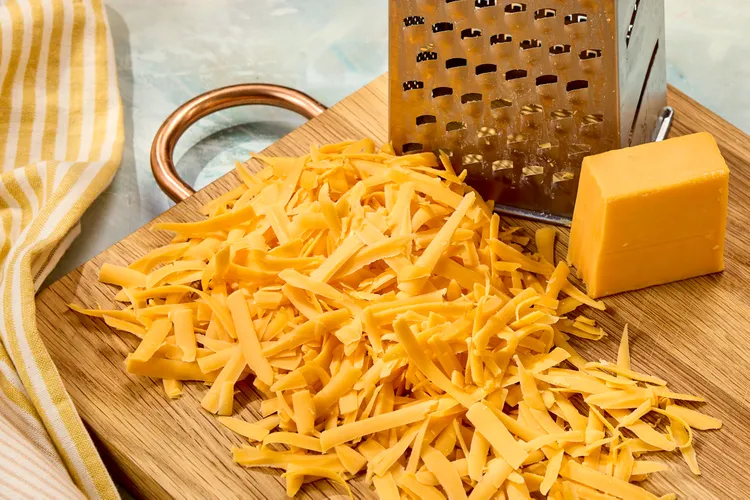
Originally from Cheddar, England, this semi-hard to hard cheese gets its dense, layered texture from a process called “cheddaring,” where slabs of curd are stacked, flipped, and milled to expel whey. Annatto coloring is added to some varieties for the orange hue. Aging ranges from two months for mild to over two years for extra sharp. According to USDA NASS data, U.S. Cheddar production reached 3.98 billion pounds in 2025, making it one of the highest-volume cheeses in the country alongside mozzarella.
2. Mozzarella
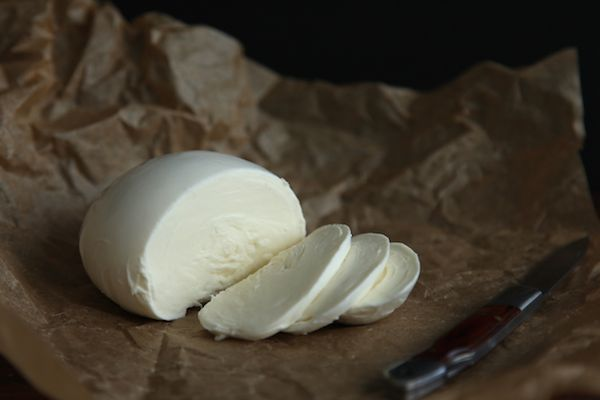
Italy’s most famous export to the pizza industry, mozzarella is a pasta filata cheese. Curds are heated and stretched in hot water or whey, creating an elastic protein structure. Fresh mozzarella and low-moisture mozzarella are two entirely different production lines. Low-moisture mozzarella is the largest-volume cheese produced in the United States, driven primarily by pizza and foodservice demand. In commercial plants, continuous stretching and molding machines can produce thousands of pounds per hour, making mozzarella one of the most automated cheese production lines in the industry.
3. Parmesan (Parmigiano-Reggiano)
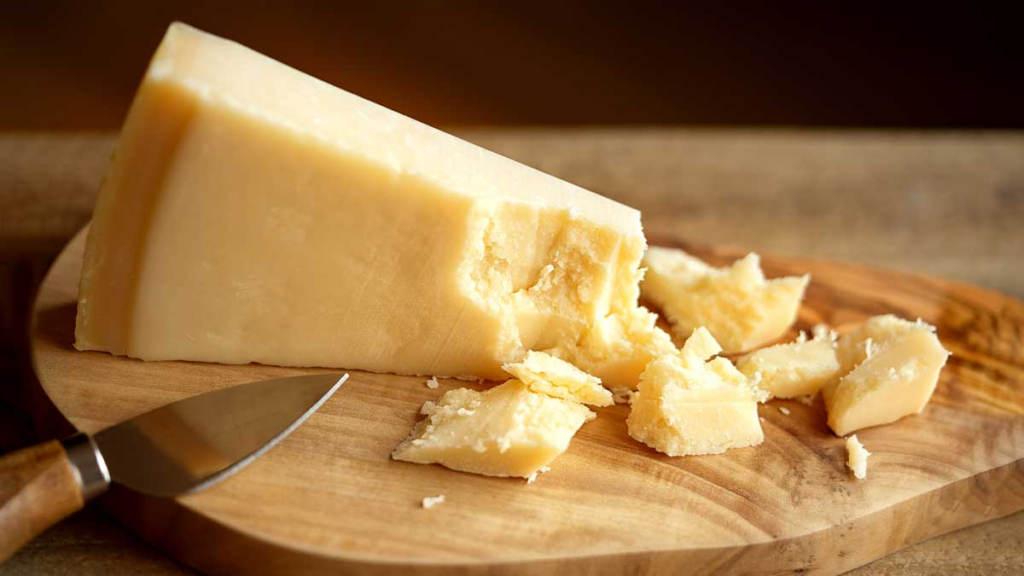
A hard, granular Italian cheese made from partially skimmed cow’s milk in large copper vats. Parmesan ages for a minimum of 12 to 36 months, developing a crystalline texture and deep umami flavor through extended protein breakdown. The thick rind forms naturally during aging without coatings or wax. Parmigiano-Reggiano carries PDO certification, restricting the name to cheeses produced in specific Italian provinces. Commonly used for grating over pasta, finishing dishes, and enriching sauces.
4. Gouda
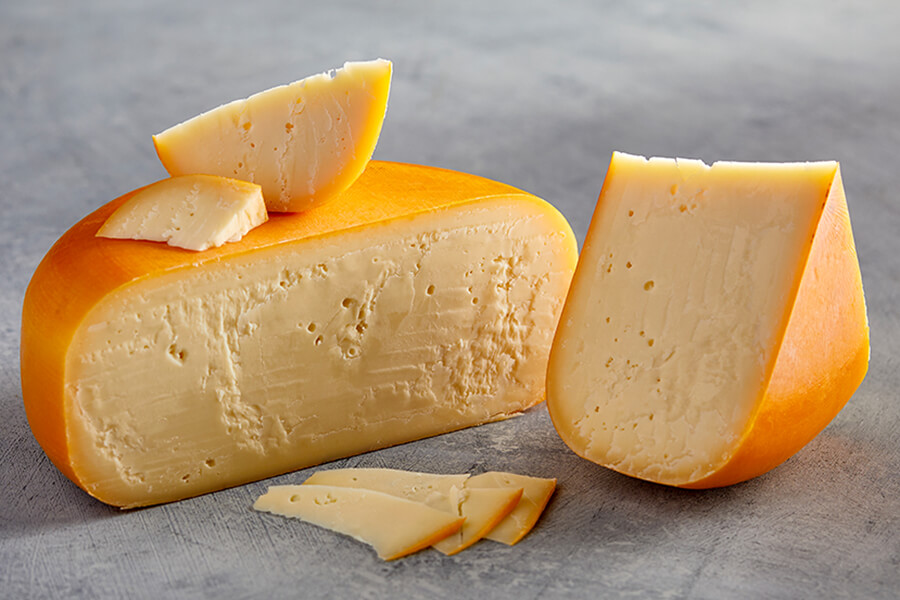
A Dutch semi-hard cheese made from cow’s milk using a technique called curd washing. Part of the whey is drained and replaced with warm water, removing lactose and producing a sweeter, milder flavor. Young Gouda is smooth and buttery. Aged Gouda (two-plus years) develops caramel notes, a crumbly texture, and crunchy protein crystals. Wheels are typically coated in wax for the aging period. Popular for snacking, fondue, and cheese boards.
5. Brie
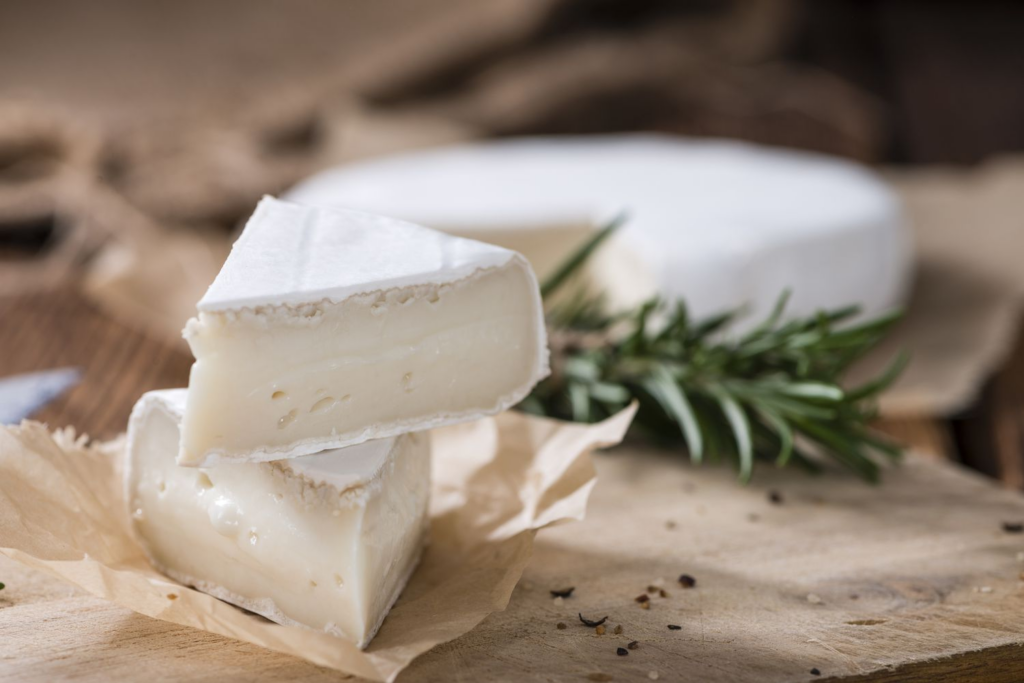
A soft-ripened French cheese made from cow’s milk. After forming, Penicillium candidum mold is sprayed onto the surface, creating the signature bloomy white rind. The cheese ripens from outside in over four to eight weeks, developing a creamy, almost runny interior with buttery, earthy flavors. Proper humidity control in the curing room is needed to prevent drying or uneven ripening. Brie is commonly served on cheese boards, baked whole, or paired with fruit and bread.
6. Swiss (Emmental)
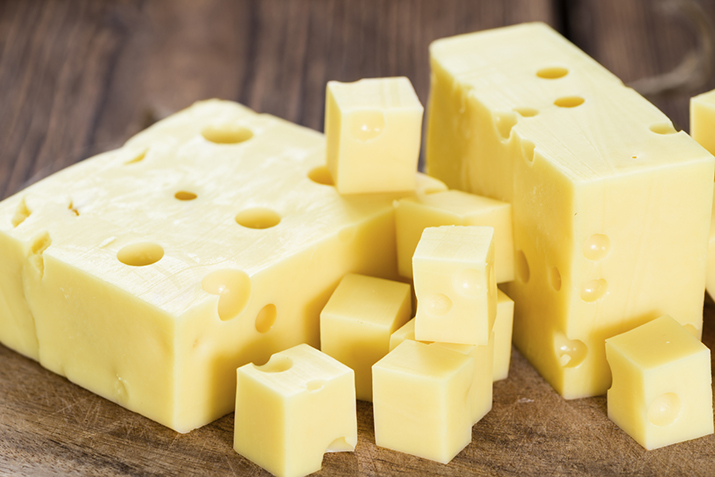
A semi-hard cheese from Switzerland, made from cow’s milk. Famous for its “eyes” (holes), which form when Propionibacterium freudenreichii bacteria produce carbon dioxide during the warm-room aging phase. The CO2 gets trapped in the cheese matrix, creating the round openings. Flavor is nutty, sweet, and mild with a firm, smooth texture. Consistent eye formation requires precise temperature control; even a few degrees off can create oversized or missing eyes. Common in sandwiches, fondue, and deli platters.
7. Blue Cheese (Roquefort, Gorgonzola, Stilton)
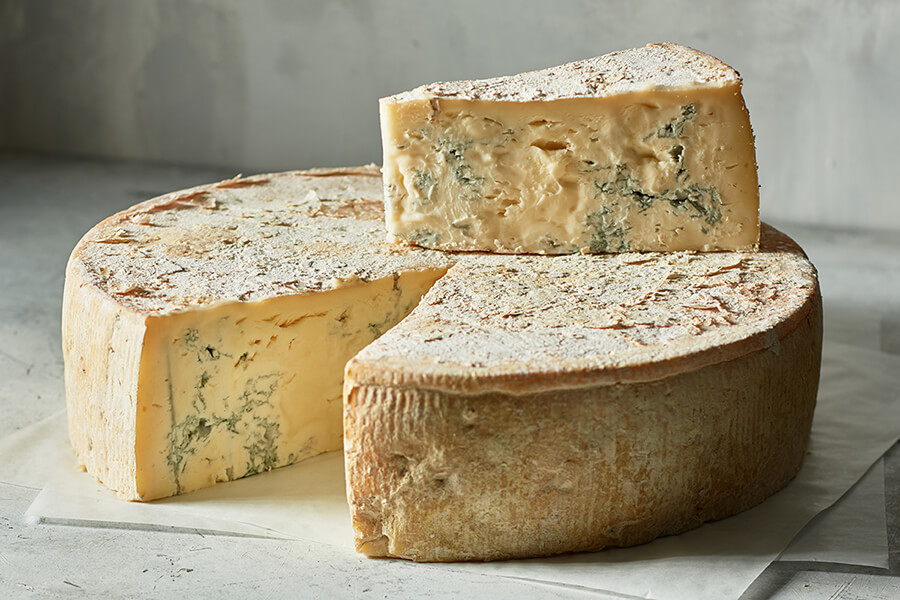
Made from cow’s, sheep’s, or goat’s milk, blue cheeses get their veining from Penicillium roqueforti mold mixed into the curds during production. After forming, wheels are pierced with stainless steel needles to create air channels that allow oxygen to reach the mold. This develops a sharp, tangy, pungent flavor with a crumbly to creamy texture depending on the variety and aging duration. Used in salads, dressings, sauces, and on cheese boards.
8. Feta
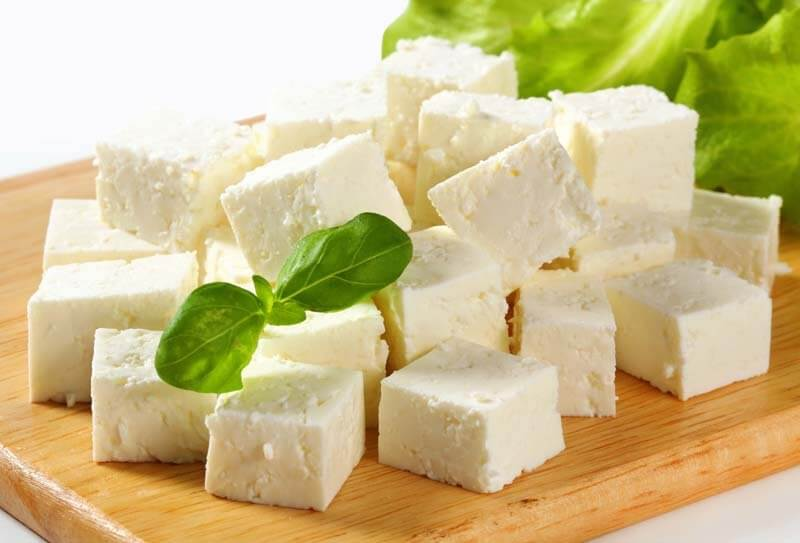
A soft, brined cheese from Greece, traditionally made from sheep’s or goat’s milk. After forming, feta is submerged in a salt brine solution where it ages for two to twelve months. High acidity and the brine environment produce a crumbly texture and tangy, salty flavor. Feta carries PDO protection in the EU, restricting the name to specific Greek regions. Widely used in salads, pastries, wraps, and as a topping on Mediterranean dishes.
9. Cream Cheese
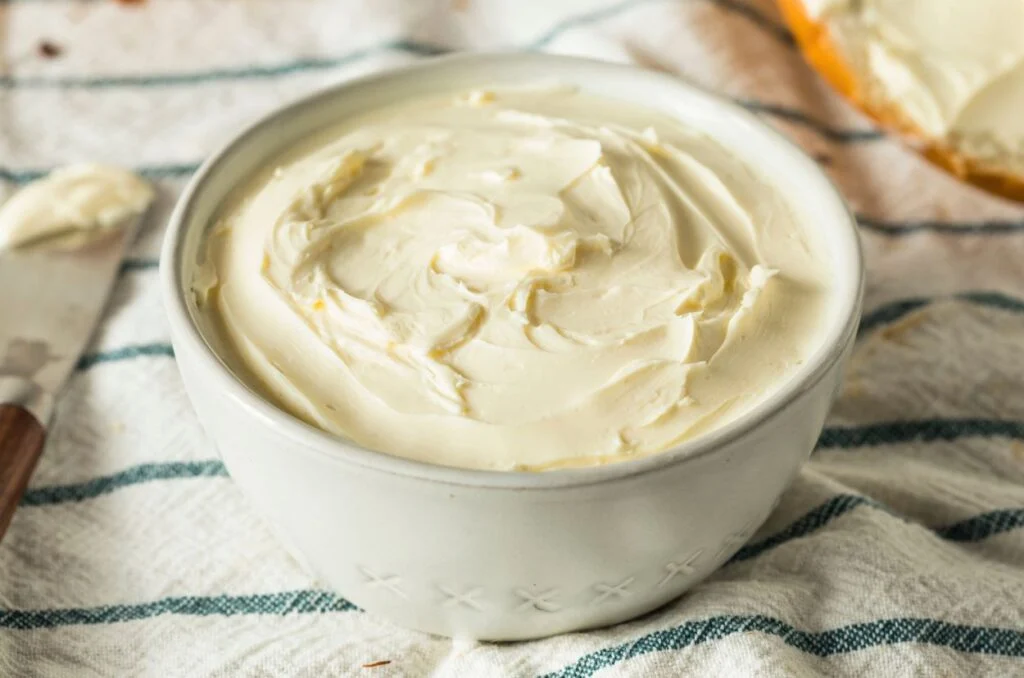
A fresh, unripened American cheese made from cow’s milk with added cream to achieve its high fat content. No aging is required. In commercial production, stabilizers like carob bean gum or xanthan gum create a smooth, spreadable consistency, while centrifugal separation and homogenization produce the uniform texture consumers expect. Flavor is mild, slightly tangy, and creamy. Widely used in spreads, cheesecakes, dips, frostings, bagel toppings, and as a base for flavored varieties.
10. Provolone
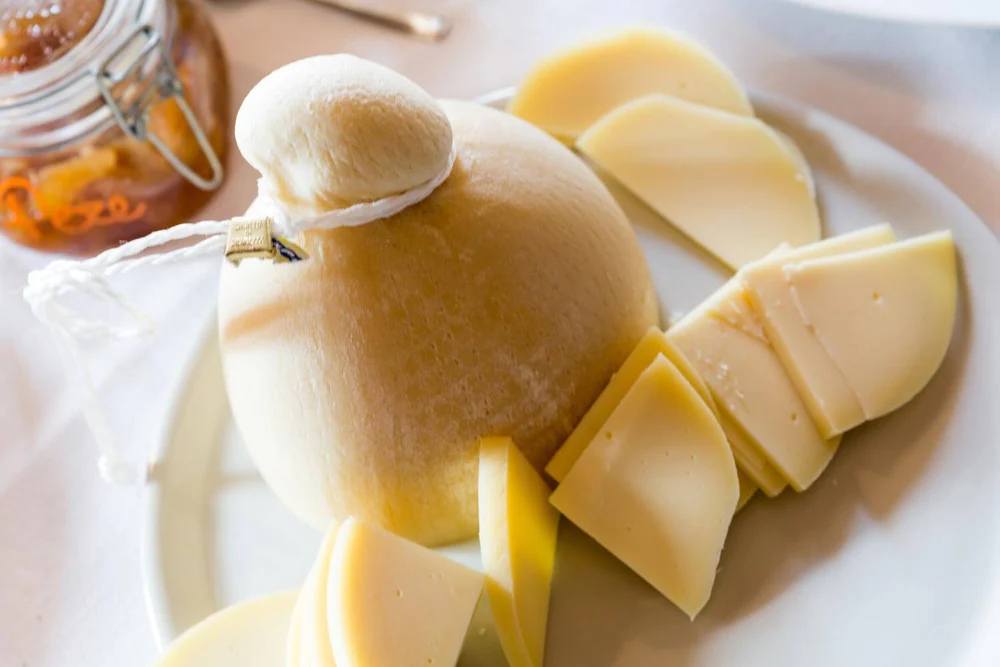
An Italian pasta filata cheese made from cow’s milk using the same stretching technique as mozzarella, but aged for two to twelve months. Aging develops a sharper flavor. Enzyme selection determines whether the result is mild (Dolce) or sharp (Piccante). Some varieties are smoked for added depth. Texture is semi-hard and smooth with a natural or waxed rind. Provolone is used in sandwiches, Italian cooking, and as a slicing cheese.
11. Cottage Cheese
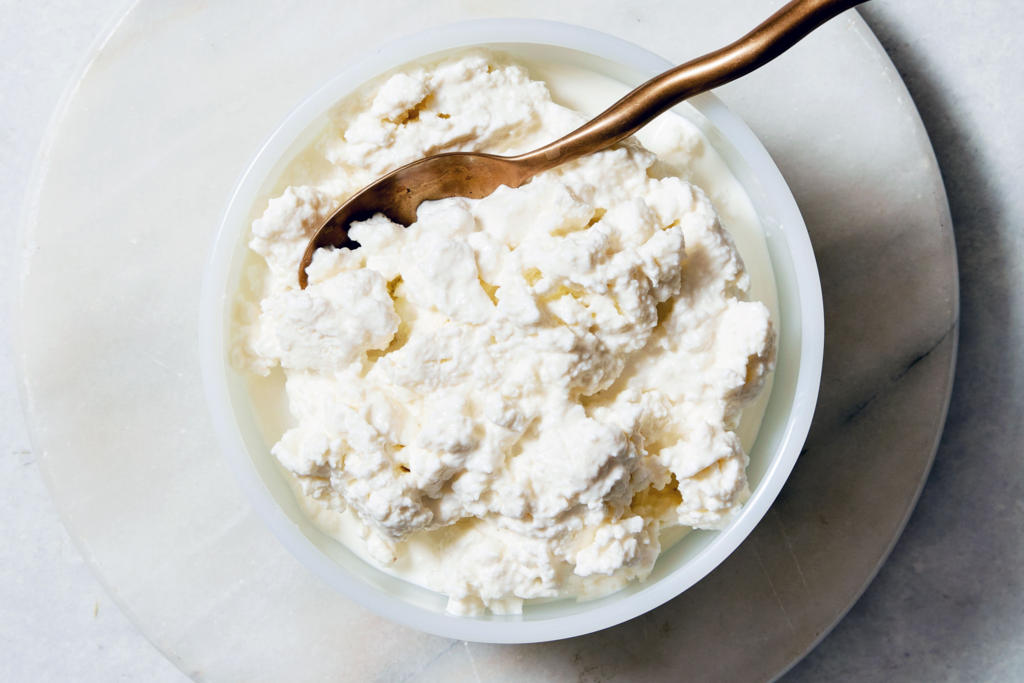
A fresh cheese made with large-cut curds that are washed with cool water and dressed in cream. Unlike most cheeses, cottage cheese is not pressed or aged, giving it a rapid production cycle. The washing step removes excess lactic acid, resulting in a milder flavor. Cottage cheese has seen a significant consumer resurgence in recent years, driven by high-protein diet trends and social media popularity. For manufacturers, its short production cycle and growing demand make it an attractive addition to the product lineup.
12. Ricotta
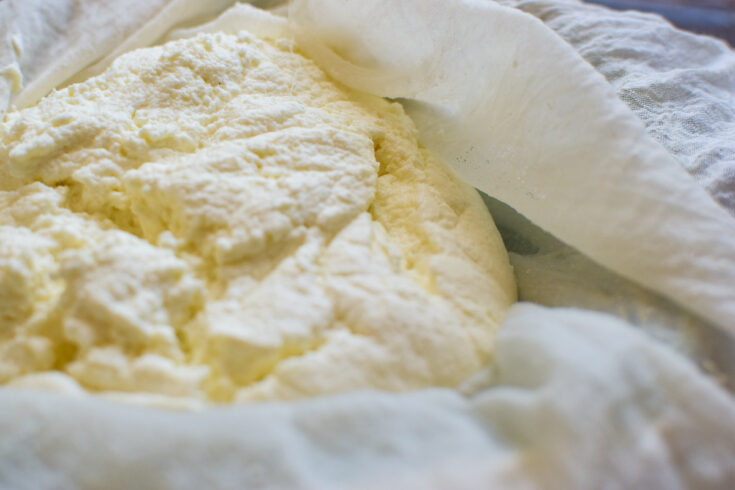
A fresh whey cheese made by re-heating the whey left over from producing cheeses like mozzarella or provolone. “Ricotta” means “recooked” in Italian, referencing this recovery process. The heat captures remaining whey proteins, making ricotta an efficient yield-recovery product for manufacturers already running other cheese lines. The texture is soft and slightly grainy with a mild, sweet flavor. Used in pasta fillings like lasagna and ravioli, in desserts like cannoli, and as a breakfast spread.
13. Goat Cheese (Chevre)
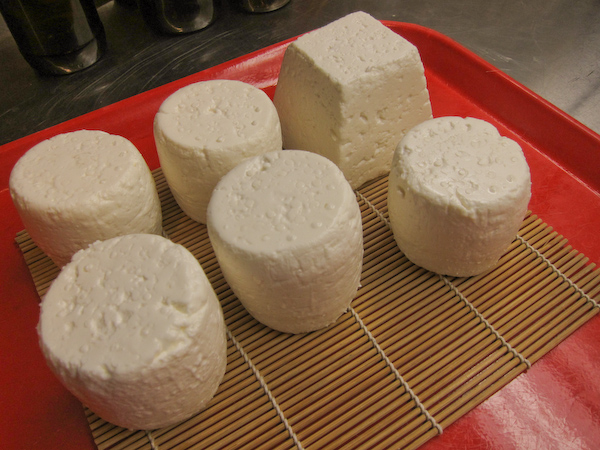
Made from goat’s milk, which contains smaller fat globules and lower casein levels than cow’s milk. This creates a smoother texture and softer curds. Most fresh chevre is acid-set rather than rennet-set, coagulating through acidification alone. The result is a tangy, earthy cheese with a creamy, crumbly texture that ranges from fresh and spreadable to semi-soft when aged a few weeks. Used in salads, spreads, baked dishes, and pairs well with honey and nuts.
14. Monterey Jack
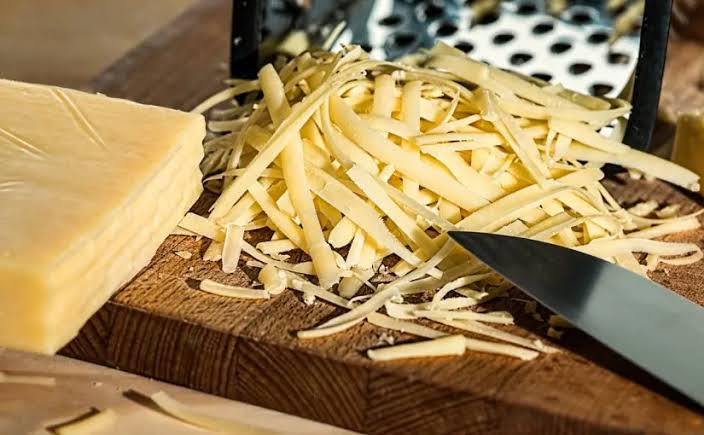
An American semi-hard cheese made from cow’s milk using a washed-curd technique similar to Gouda. The short aging period of one to six months produces a mild, buttery flavor and a smooth, semi-soft texture with high moisture retention. Monterey Jack serves as the base for flavored varieties like Pepper Jack and Colby Jack, making it a versatile platform for product extensions. Widely used for melting in Mexican cuisine, sandwiches, and burgers.
15. Havarti
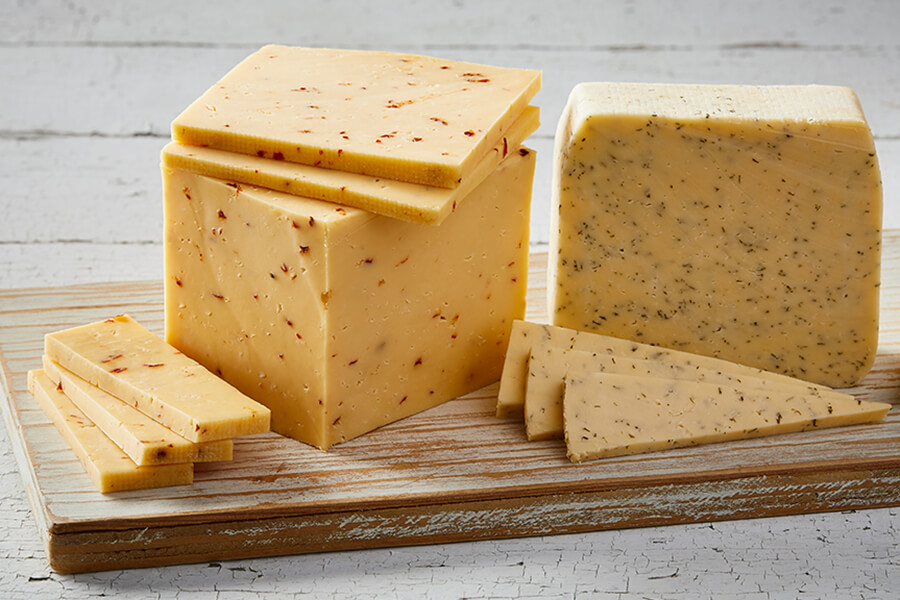
A Danish semi-soft cheese made from cow’s milk. Curds are washed and pressed lightly, retaining moderate moisture and creating small, irregular openings throughout the interior. High-fat standardization of the milk gives Havarti its buttery flavor and creamy, supple texture. Aging runs three to twelve months, though most is sold younger. It melts smoothly, making it popular for sandwiches, grilled cheese, and foodservice applications where a mild melting cheese is needed.
How Is Cheese Made? The Step-by-Step Production Process
Whether you are curious about what happens between the farm and your fridge, or you manage a production line turning out thousands of pounds a day, the basic steps of cheese making are the same. The difference is in the precision, scale, and technology applied at each stage. Here is how cheese is made, from milk intake to the aging room.
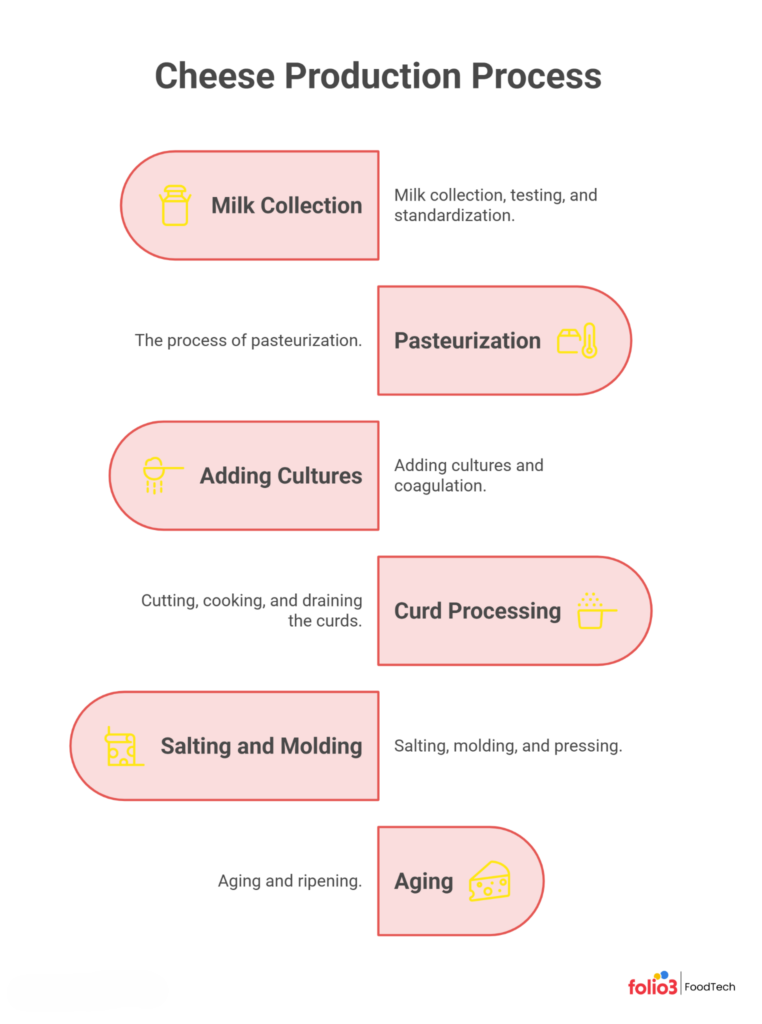
Step 1: Milk Collection, Testing, and Standardization
Raw milk arrives at the plant from farms and immediately goes through quality testing. Processors check fat percentage, protein content, somatic cell count (SCC), and screen for antibiotics. Standardization comes next: adjusting the fat-to-protein ratio to match the target cheese. If you are making a high-fat cheese like Havarti, you add cream. For Parmesan, you partially skim. Inconsistent milk leads to inconsistent cheese, which is why modern plants use inline analyzers to catch compositional variations in real time.
Step 2: Pasteurization
Most commercial cheese production uses HTST (High Temperature Short Time) pasteurization, heating milk to 72°C (161°F) for 15 seconds. This eliminates harmful bacteria while preserving enough of the milk’s natural properties for cheesemaking. Some artisanal producers use raw milk, but FDA regulations require raw milk cheeses to be aged for at least 60 days before sale.
Step 3: Adding Cultures and Coagulation
Starter cultures are added to the pasteurized milk, and the fermentation process begins. The choice between mesophilic and thermophilic cultures depends on the target cheese. Rennet is then added, triggering coagulation, the chemical reaction that transforms liquid milk into a gel-like mass of curds and whey. This is the first real decision point where different types of cheese begin to diverge.
Step 4: Cutting, Cooking, and Draining the Curds
Once the curd forms a firm gel, it is cut into pieces. Curd size is the biggest variable here: smaller cuts release more whey and produce harder cheeses like Parmesan, while larger cuts retain more moisture for softer cheeses like Brie.
After cutting, the curds may be cooked (heated) and stirred. Higher temperatures produce firmer curds. Then come the specialized techniques that create different cheese families:
- Cheddaring: Curds are stacked, flipped, and milled to expel whey and build the dense, layered texture of cheddar.
- Curd washing: Whey is partially replaced with warm water to remove lactose, producing the sweeter flavor of Gouda and Colby.
- Stretching (Pasta filata): Curds are heated and pulled in hot water to create the elastic protein structure of Mozzarella and Provolone.
This step is where most cheese differentiation happens. The same milk, processed differently at this stage, can produce entirely different cheeses.
Step 5: Salting, Molding, and Pressing
Salting can happen three ways: dry salting (rubbing or mixing salt directly into curds), brine bathing (soaking formed wheels in a salt solution), or a combination of both. The pressing intensity determines the cheese’s final density. Hard cheeses get heavy pressing to squeeze out remaining whey. Soft cheeses get minimal or no pressing. Molds give the cheese its final shape, whether that is wheels, blocks, or logs.
Step 6: Aging and Ripening
Aging (also called affinage) takes place in climate-controlled rooms where temperature, humidity, and airflow are tightly managed. Fresh cheeses skip this step entirely. Hard cheeses may age for years. During aging, different rind types develop:
- Natural rind: Forms without intervention during extended aging. Common on Parmesan and aged Cheddar.
- Bloomy rind: A white, velvety surface created by Penicillium candidum mold. Found on Brie and Camembert.
- Washed rind: An orange, sticky surface that develops from regular brine or alcohol washing. Found on Limburger and Taleggio.
- Wax/cloth coating: Applied to protect the cheese and control moisture loss, and used on Gouda, Colby, and bandaged Cheddar.
During aging, enzymes break down proteins and fats, creating the complex flavors that make aged cheeses taste so different from their younger versions. Proper food quality control during this phase is what separates good cheese from great cheese.
How Are Different Types of Cheese Made? Process Variations That Create Variety
You now know the six steps of how cheese is made. But how are different types of cheese made from the same starting point? The answer comes down to which variables you adjust and when. Three factors drive the variation: how you treat the curds, how you manage the aging environment, and which milk you start with.
How Curd Treatment Creates Different Cheese Families
The way you handle curds after cutting is the single biggest factor in determining what type of cheese you end up with. Five distinct treatment paths create five cheese families:
- Fresh cheeses (cottage cheese, ricotta): Minimal curd processing, no aging. The simplest path.
- Stretched curd (mozzarella, provolone): Curds are heated and pulled for elasticity. The protein chains align during stretching.
- Pressed curd (cheddar, Gouda): Varying levels of mechanical pressure squeeze out moisture, producing firm to hard textures.
- Surface-ripened (Brie, Camembert): Mold applied to the exterior drives ripening from the outside in.
- Internally ripened (blue cheese): Mold grows through pierced channels inside the wheel, creating veins from the inside out.
The same batch of milk, run through different curd treatment paths, can produce cheeses that look and taste nothing alike.
How Aging Conditions Produce Different Textures
Temperature and humidity settings in the aging room control how fast or slow a cheese develops. A Gouda aged for one month in a cool, humid room will be smooth and mild. The same Gouda aged for three years in a drier, warmer environment will be crumbly, crystalline, and intensely flavored. Surface treatments during aging (washing, brushing, oiling) also affect rind formation and moisture loss.
How Milk Selection Shapes the Final Product
- Cow’s milk produces a milder, fattier base.
- Goat’s milk contributes a tangier, more acidic flavor.
- Sheep’s milk is higher in fat and protein, yielding richer, denser cheeses.
- Buffalo milk creates the distinctly elastic texture of authentic Italian mozzarella di bufala.
Seasonal variation in milk composition can significantly affect production consistency, which is exactly why standardization is a standard practice at any serious manufacturing facility. Without it, your spring batch and your fall batch would taste noticeably different.
How Are Different Cheese Flavors Made?
You can produce two cheeses with identical textures that taste completely different. That is because flavor in cheese is not random. It is the result of specific biochemical reactions that happen during and after production.
Proteolysis: How Protein Breakdown Creates Savory Depth
During aging, enzymes break down milk proteins into smaller peptides and amino acids. This is what creates the savory, umami richness you taste in aged Parmesan, old Gouda, and Gruyère. The longer a cheese ages, the more protein breakdown occurs, which is why older cheeses taste sharper and more complex than younger ones. In food science, this reaction is called proteolysis, and it is one of the most studied aspects of cheese chemistry.
Lipolysis: How Fat Breakdown Creates Sharp, Pungent Notes
Enzymes also target milk fats, breaking them into free fatty acids. This produces the sharp, piquant, sometimes spicy notes you find in Blue Cheese, Provolone, and Romano. Some manufacturers add specific lipase enzymes during production to accelerate this reaction in cheeses that need stronger flavor profiles. But too much fat breakdown creates rancid off-flavors, so food quality assurance at this stage is critical.
Glycolysis: How Lactose Fermentation Builds the Base Flavor
Starter cultures convert lactose into lactic acid during the early stages of production. This is the most basic flavor reaction and determines the cheese’s baseline acidity. Washed-curd cheeses like Gouda taste sweeter because washing removes lactose before cultures can fully convert it. Hard aged cheeses are naturally very low in lactose because fermentation consumes nearly all of it during production.
Adjunct Cultures: Engineering Signature Flavors at Scale
Modern manufacturers add non-starter lactic acid bacteria (NSLAB) to engineer specific flavor profiles without changing the physical make-time. These adjunct cultures work alongside the primary starters but target specific flavor compounds. The advantage for food production management teams is that you can fine-tune flavor without altering your production schedule or line speed. This is how large-scale producers maintain consistent “signature” flavor profiles across batches and seasons, even when the milk composition shifts with the weather or feed changes.
Overcome the Challenges of Cheese Production with Technology for Modern Manufacturing
Cheese manufacturing at scale comes with a specific set of challenges that artisanal producers never have to think about. If you are working to overcome dairy industry issues, you are likely dealing with some combination of these problems:
- Batch-to-batch inconsistency across large production runs
- Yield loss from curd fines and inefficient whey recovery
- Labor shortages and rising workforce costs
- FSMA and HACCP compliance pressure and audit readiness
- Scaling from single-product to multi-product lines
These issues compound as you scale. A problem that costs you a few pounds of waste on a small batch can cost thousands of dollars a week on a full production line. Modern cheese manufacturers are addressing these challenges with three categories of technology.
Automation and Process Control
Automated vat systems, CIP (Clean-in-Place) protocols, and robotics in food processing are reducing the manual labor burden across cheese plants. Inline sensors that monitor pH, moisture, and temperature in real time allow operators to catch deviations before they affect the batch. The result is better consistency, lower labor costs, and higher throughput.
Quality Assurance and Traceability
FSMA 204 traceability requirements and HACCP-based food safety programs require cheese manufacturers to track every lot from milk intake to finished product. Digital traceability systems make this possible without the paper-trail burden. They also reduce recall risk by enabling faster root-cause identification when issues do arise. Lot traceability is no longer optional; it is the baseline for any manufacturer selling into regulated markets.
ERP and Dairy Management Software
For manufacturers running multi-product cheese lines, the operational complexity gets real. You need production planning and batch management across different cheese types, inventory management for raw materials and cultures, yield tracking to minimize waste, and integration with your supply chain. Purpose-built dairy ERP software helps cheese manufacturers manage all of this in one system rather than stitching together spreadsheets and disconnected tools.
From Milk to Market: What Modern Cheese Manufacturers Need to Get Right
Every cheese starts with the same four ingredients. What separates one from another is what happens at each stage of the process of cheese making, from culture selection to curd treatment to aging conditions.
The manufacturers who produce consistent, high-quality cheese at scale are the ones who combine traditional cheesemaking knowledge with modern food processing methods, data-driven quality control, and purpose-built dairy software. The craft has not changed in centuries. The tools have. And the manufacturers who adopt the right technology, from automation on the production floor to ERP systems that connect every part of the operation, are the ones who will lead the next wave of dairy industry trends.
Whether you are optimizing an existing cheese production line or planning a new facility, the right technology stack makes the difference. Discover how Folio3 FoodTech helps dairy manufacturers streamline production, maintain quality, and grow.
FAQs
What Is The Most Produced Cheese In The World?
Mozzarella is the most produced cheese in the United States. Total U.S. cheese production reached a record 14.66 billion pounds in 2025, with Italian-type cheeses (led by mozzarella) accounting for 6.25 billion pounds. Pizza and foodservice demand drive most of that volume. Globally, cheddar and mozzarella compete for the top spot depending on the region.
How Long Does It Take To Make Cheese?
The active production time for most cheeses is a single day, from milk intake to pressing. What varies dramatically is the aging period afterward. Fresh cheeses like ricotta or cottage cheese can be finished in hours. Semi-hard cheeses like Gouda need weeks to months. Hard cheeses like Parmesan require 12 to 36 months of aging before they are ready for sale. Some vintage cheddars age for seven years or more.
Can You Make Cheese Without Rennet?
Yes. Acid-set cheeses like cottage cheese, paneer, and certain ricotta styles use acid (vinegar, citric acid, or lemon juice) instead of rennet to coagulate the milk. This produces a softer, more crumbly curd. For manufacturers considering vegetarian-friendly or halal product lines, acid-set and microbial-rennet cheeses offer the broadest market reach without requiring animal-derived enzymes.
What Is The Difference Between Aged Cheese And Fresh Cheese?
Fresh cheese is consumed within days or weeks of production. It has high moisture, mild flavor, and a soft texture. Aged cheese is held for months or years under controlled conditions, during which moisture decreases, and enzymes develop complex flavors and firmer textures. The aging process is what turns mild curds into sharp, crumbly, or crystalline cheeses. Understanding shelf life testing helps manufacturers determine the optimal aging window for each variety.
Why Does Some Cheese Melt Better Than Others?
Melting depends on three things: moisture content, fat content, and protein structure. High-moisture, high-fat cheeses like mozzarella and Fontina melt smoothly because heat loosens their protein networks. Low-moisture, aged cheeses like Parmesan resist melting because aging tightens protein bonds and removes water. Acid-set cheeses like paneer and halloumi barely melt at all because their proteins coagulate differently.
What Is The Shelf Life Of Different Types Of Cheese?
Fresh cheeses like ricotta and cream cheese last one to two weeks under refrigeration. Semi-soft cheeses like Havarti and Monterey Jack hold for three to four weeks. Hard cheeses like Parmesan and aged Cheddar can last six months or longer when properly stored. The general rule: lower moisture and longer aging translate to longer shelf life, because less available water slows bacterial growth.


