




Take Control of Food Product Development With PLM Software Built for Food & Beverage Industry

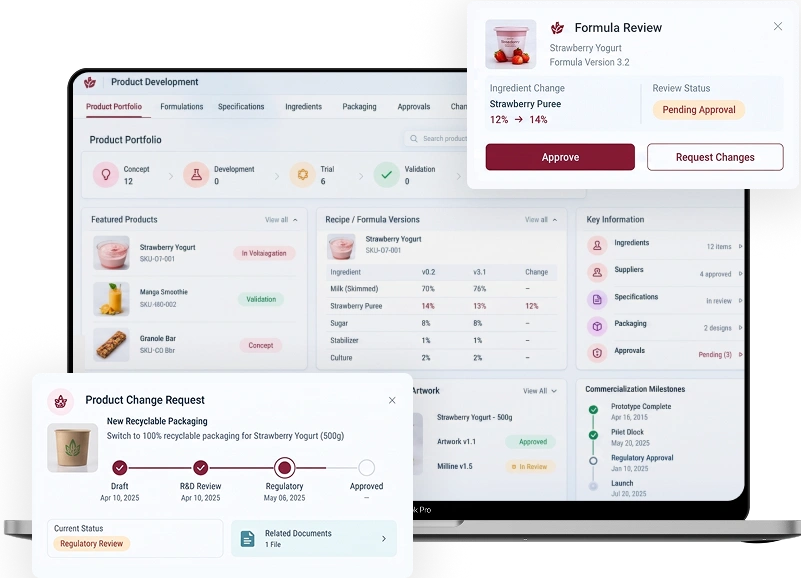
Manage recipes, formulations, specifications, ingredients, suppliers, packaging, approvals, and product changes from one connected system. Folio3 FoodTech PLM helps food businesses move products from concept to commercialization with better control over product data and development processes.
Food Product Development With PLM Software

Trusted by Leading Food and Beverage Brands

What Is Product Lifecycle Management Software for the Food Industry?

Product lifecycle management software for the food industry helps businesses manage the information and processes involved in developing, approving, launching, changing, and maintaining food and beverage products throughout their lifecycle. It connects recipes, formulations, ingredients, specifications, nutrition data, allergens, suppliers, packaging, documents, and approvals around a controlled product record.

Folio3 FoodTech PLM software gives R&D, quality, regulatory, procurement, packaging, and operations teams a shared environment for managing product development from initial concept through commercialization and future product changes.

Product Lifecycle Management Software

Where Food Product Development Starts Losing Time and Control

Developing a food product involves far more than creating a recipe. Product data moves between teams, suppliers, specifications, packaging, approvals, and regulatory requirements. When those processes are disconnected, delays and errors become difficult to avoid.

Product Data Scattered Across Systems

Recipes, specifications, supplier documents, packaging details, and approvals become difficult to control when they live across spreadsheets, emails, and separate systems.

Too Many Versions of the Same Product

Uncontrolled recipe and specification versions make it harder for teams to know which product information is approved and ready for use.

Slow Product Development Workflows

Manual reviews, approvals, testing, and departmental handoffs can extend development timelines and delay product launches.

Ingredient and Supplier Changes Create Wider Risk

A material or supplier change can affect formulations, allergens, nutrition, costing, specifications, labels, and finished products.

Compliance Issues Are Found Too Late

Late identification of ingredient, allergen, nutrition, or labeling issues can create additional review work and delay commercialization.

Packaging and Product Data Fall Out of Sync

Changes to recipes and specifications can create inconsistencies when packaging, labels, and approved product information are maintained separately.

Core Features of Food Product Lifecycle Management Software

Manage the product information and development processes that determine what gets produced, approved, packaged, and introduced to market. Folio3 FoodTech PLM helps keep product data controlled throughout the lifecycle.

Recipe and Formulation

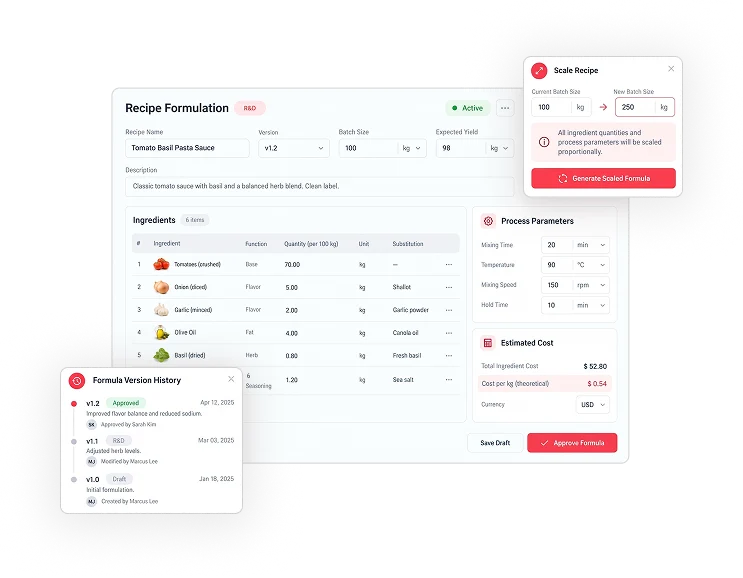
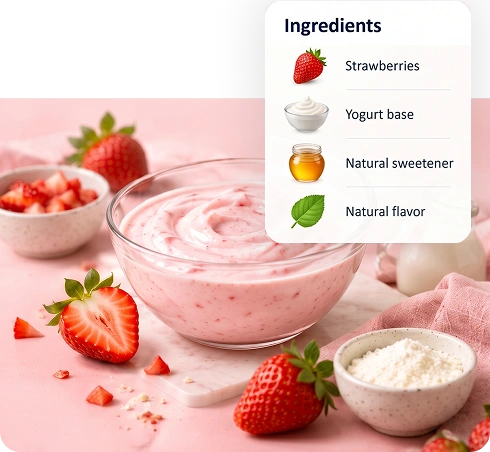
Develop and control recipes while keeping ingredients, quantities, process requirements, costs, and formulation changes connected.
Recipe & Formulation

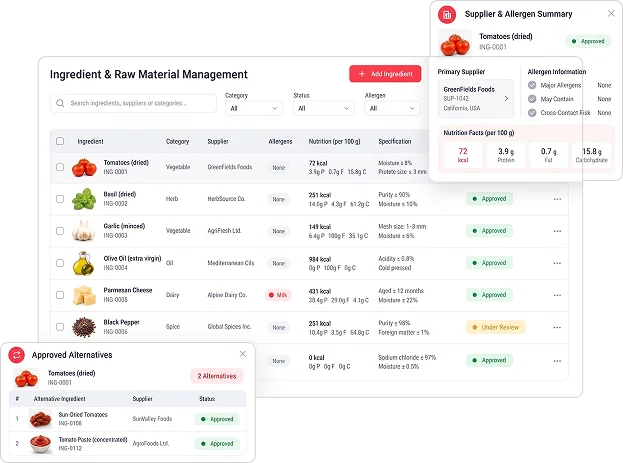
Ingredient and Raw Material

Maintain controlled ingredient and raw material information that can be reused across formulations and finished products.
Ingredient & Raw Material

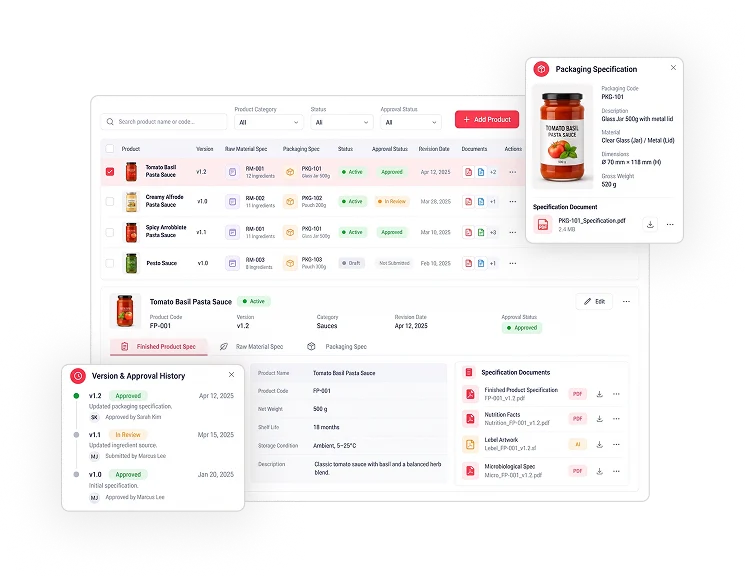
Product and Specification

Keep specifications for ingredients, intermediates, finished products, and packaging organized around controlled product records.
Product & Specification

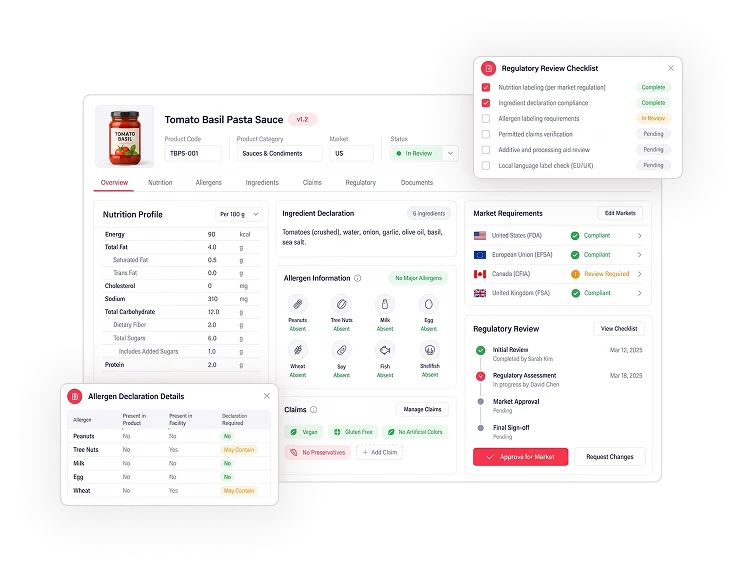
Nutrition, Allergen and Regulatory for Compliance

Bring important product information together so teams can evaluate nutrition, allergens, claims, ingredients, and market requirements during development.
Nutrition, Allergen & Regulatory for Compliance

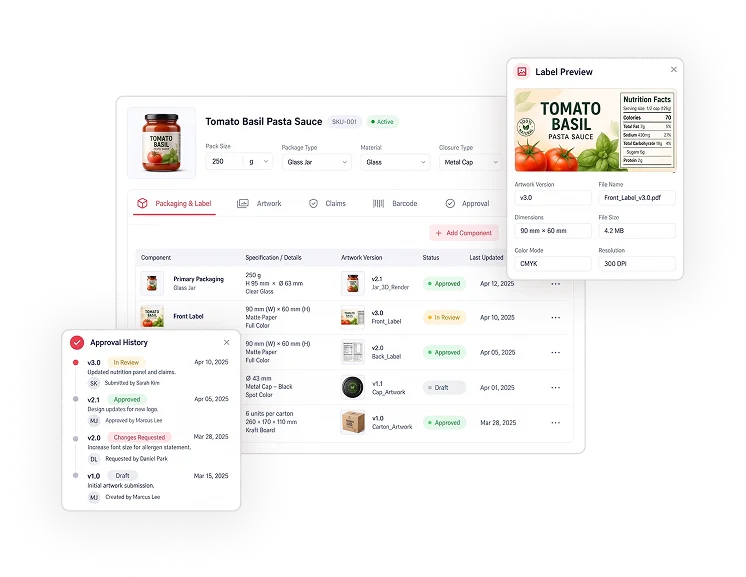
Packaging and Label

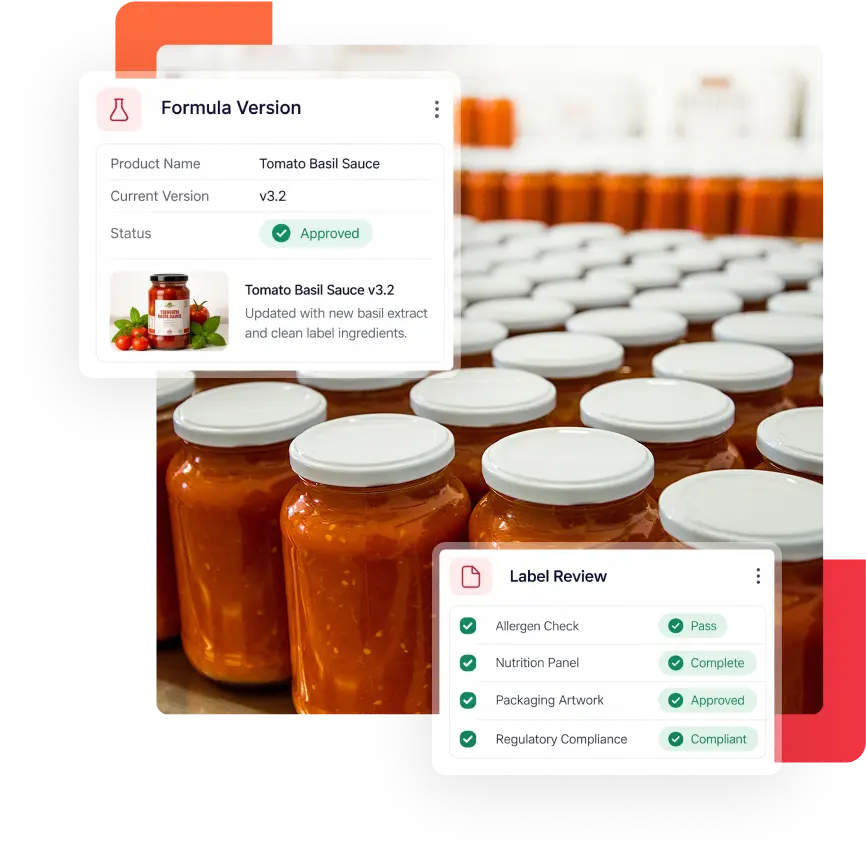
Keep packaging and label information aligned with approved formulas, specifications, claims, and product requirements.
Packaging & Label

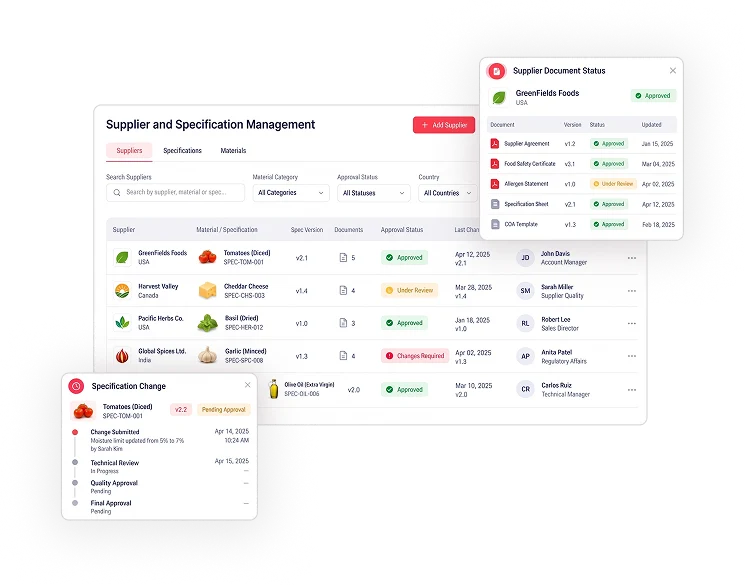
Supplier and Specification

Connect suppliers with the ingredients, materials, specifications, documents, and approvals that support product development.
Supplier & Specification

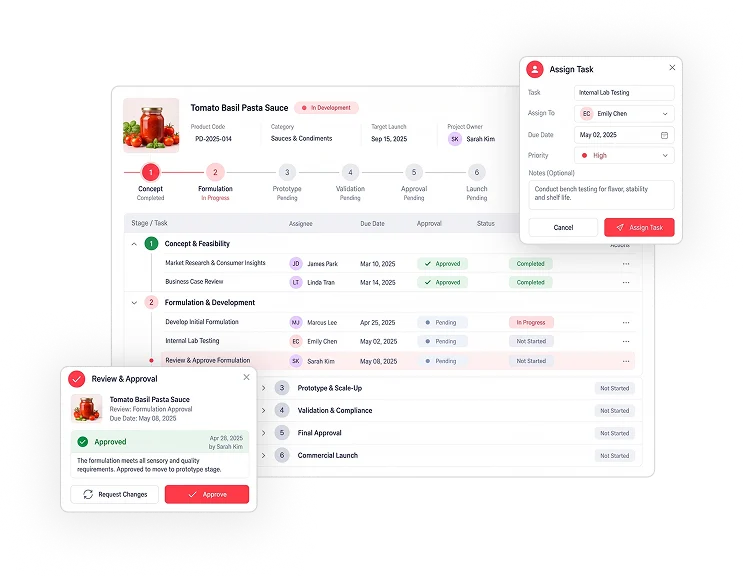
Development Workflow & Approvals

Move products through structured development stages with clear ownership, reviews, testing, and approval requirements.
Development Workflow & Approvals

Development Workflow & Approvals

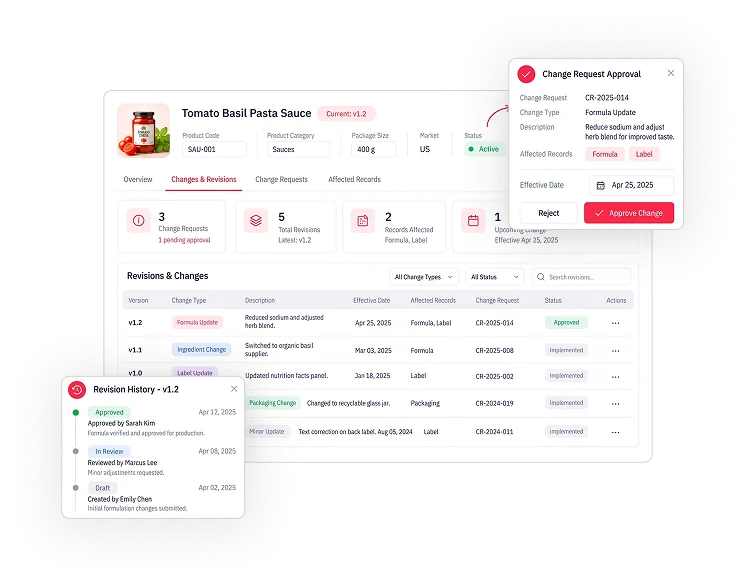
Control changes to products and maintain a clear history of what changed, when it changed, and what was approved.
Change & Version Control

Manage the Complete Food Product Lifecycle From Idea to Market

Keep product information connected as products move through development, review, approval, commercialization, and future changes. Folio3 FoodTech PLM creates a structured path that helps teams understand where each product stands and what needs to happen next.

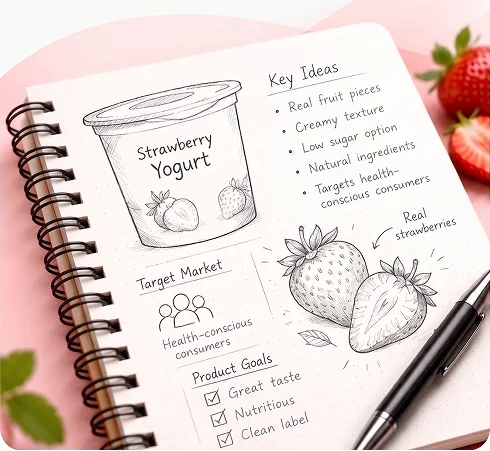
Product Concept

Capture the initial product brief, requirements, target market, product goals, and development objectives.

Product Concept
01

Formulation

Develop recipes, ingredients, quantities, processing requirements, and alternative formulations.

Formulation
02

Testing and Evaluation

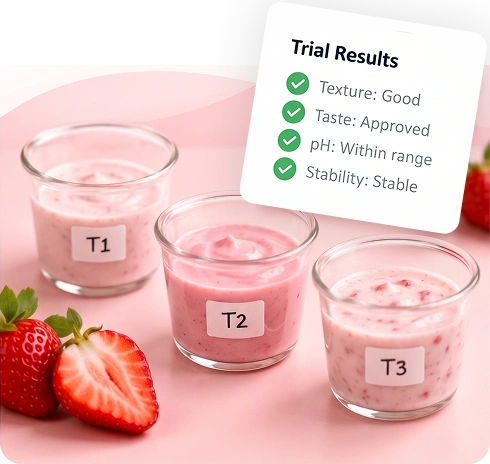
Record product trials, development results, specification checks, and required revisions.

Testing & Evaluation
03

Specification Development

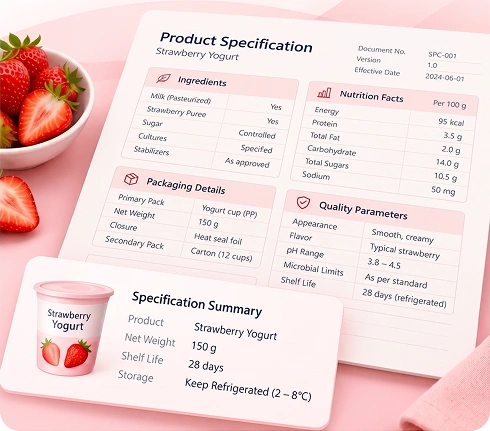
Build controlled specifications for ingredients, finished products, packaging, and related product requirements.

Specification Development
04

Compliance Review

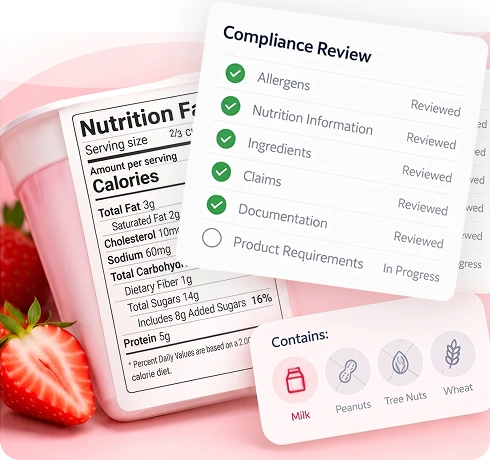
Review allergens, nutrition information, ingredients, claims, documentation, and applicable product requirements.

Compliance Review
05

Packaging and Labeling

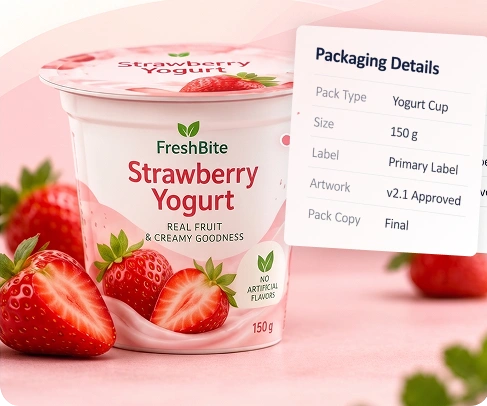
Connect approved product information with packaging specifications, labels, pack copy, and artwork.

Packaging & Labeling
06

Approval

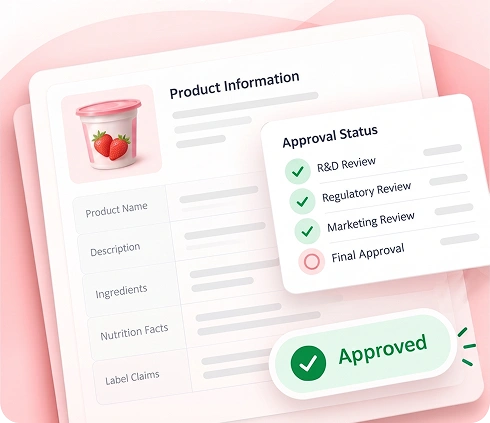
Complete required reviews and approvals before product information is released for commercialization.

Approval
07

Commercialization

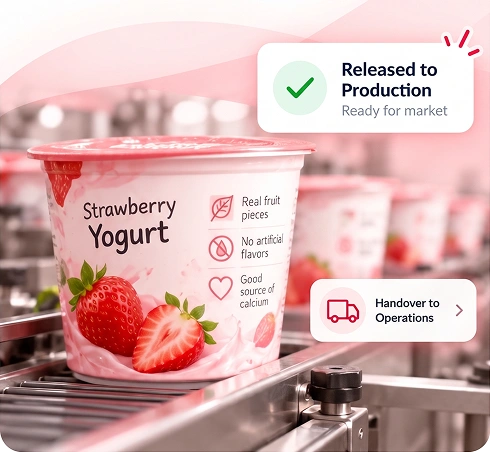
Move approved product requirements into production and wider business operations.

Commercialization
08

Product Change

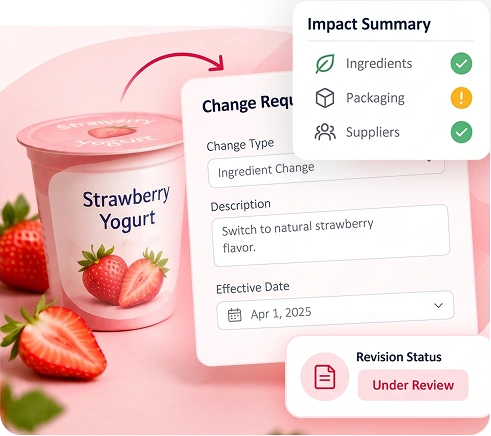
Manage reformulations, ingredient changes, packaging updates, supplier changes, and future product revisions.

Product Change
09

One PLM System Across Different Food and Beverage Categories

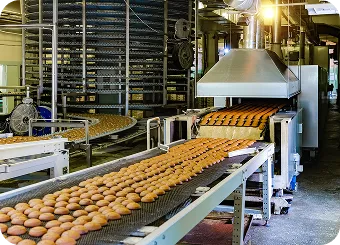
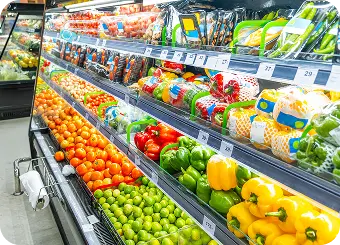
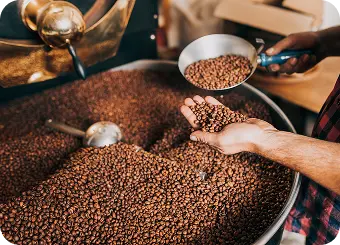
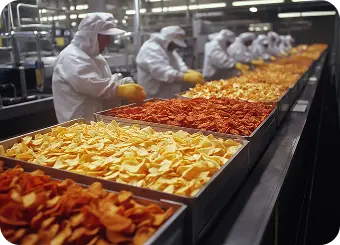
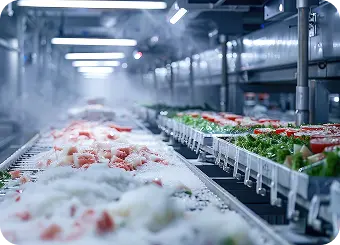
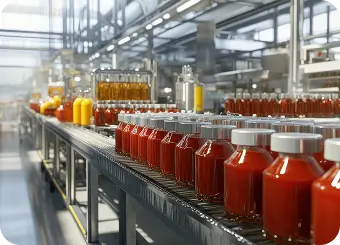
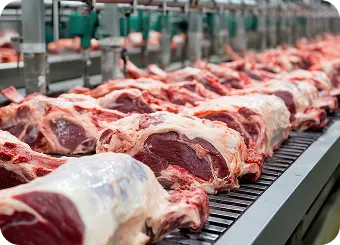
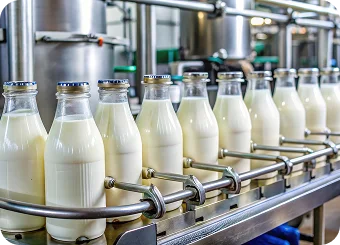
Food product development varies by category, business, and market. Folio3 FoodTech PLM can support different formulations, ingredient specifications, packaging requirements, approval workflows, and product changes across food and beverage operations.

Explore Other Modules Behind Your Food Operations

Product lifecycle management keeps recipes, specifications, ingredients, suppliers, packaging, and product changes under control, but it is only one part of the wider operation. Explore our food ERP modules designed to manage production, inventory, procurement, warehousing, distribution, and supply chain processes across the food business.

Manufacturing Management

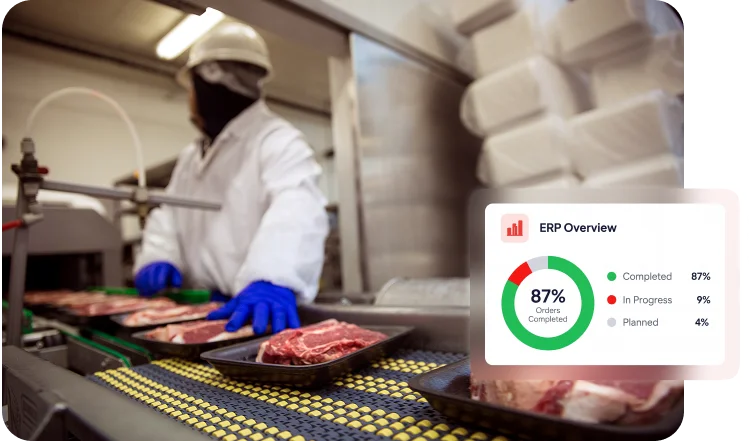
Connect warehouse inventory with production schedules, material requirements, work orders, and finished goods movement across food manufacturing operations.

Food ERP

Inventory Management

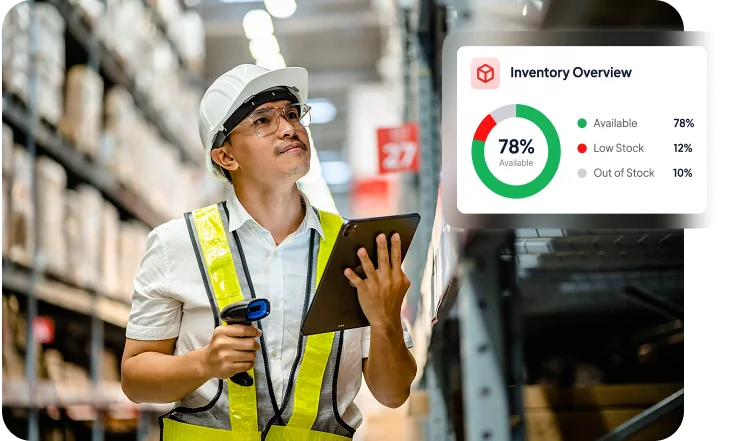
Maintain accurate visibility into raw materials, ingredients, packaging, work in progress, and finished goods across food inventory locations.

Inventory Management1

Distribution Management

Coordinate order fulfillment, warehouse availability, customer deliveries, and product movement across food distribution networks.

Distribution Management

Procurement Management

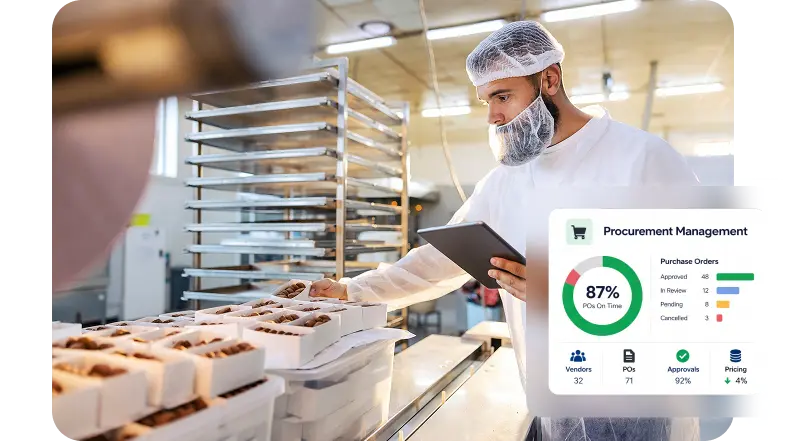
Connect purchasing decisions with inventory levels, supplier activity, material requirements, and warehouse receiving across food operations.

Procurement Management

Supply Chain Management

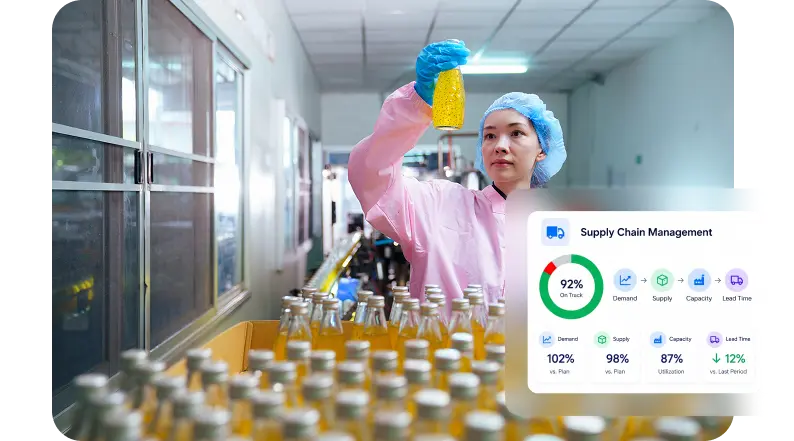
Bring purchasing, inventory, production, warehousing, and distribution data together for better visibility across the food supply chain.

Supply Chain Management

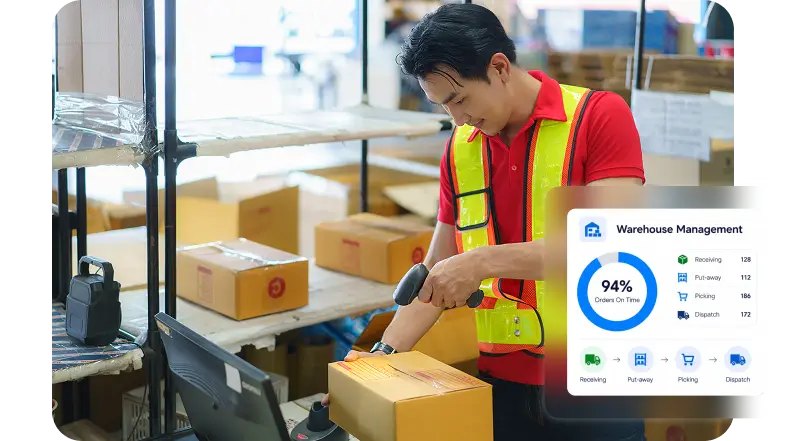
Warehouse Management

Manage receiving, storage, inventory movement, picking, packing, and dispatch with better control and visibility across food warehouse operations.

Warehouse Management

Why Food Businesses Choose Folio3 FoodTech

We combine industry knowledge, proven technology experience, and ongoing support to help you manage your workforce operations with greater control and efficiency.
Years of Experience
0 +
Food Businesses Supported
0 +
Solutions Delivered
0 K+

Food Industry Focus

Deep understanding of food manufacturing, processing, and distribution operations.

Proven Implementation Approach

A structured and results driven process to ensure smooth deployment.

Flexible and Scalable Solutions

Configure and expand the solution as your operations grow and evolve.

Ongoing Support

Long term support to help you keep your warehouse operations running efficiently.

See How Food Businesses Move Forward With Folio3

From growing brands to established manufacturers, food companies turn to Folio3 FoodTech for ERP guidance that delivers results. Here are a few of their stories.

In the Words of Our Clients

Read what our clients say about their experiences and the difference our solutions have made for them.

Frequently Asked Questions

How Is PLM Different From ERP And MES In Food Manufacturing?

PLM manages the product itself: what is in it, what the label says, and what the specifications require. ERP manages the business: orders, procurement, inventory, finance, and planning. MES manages production execution: batches, quality checks, and real-time floor control. In a connected food operation, PLM data (recipes, BOMs, specifications) flows into ERP for planning and procurement, and into MES for production execution.
Any food business that develops, formulates, or reformulates products. That includes food manufacturers, private label producers, co-manufacturers, food brands managing multiple SKUs, and retailers with own-brand product lines. The need increases with product portfolio size, number of markets served, formulation complexity, and regulatory labeling requirements.
Yes. Folio3 Foodtech PLM system generates label content based on the regulatory requirements of each target market. A product sold in the US gets FDA-compliant nutrition facts. The same product for the EU gets a nutrition declaration formatted under EU 1169/2011. Ingredient statements, allergen declarations, and formatting rules adjust per market from the same underlying product data.
Food PLM tracks allergens at the ingredient level and carries that data through every formula and finished product. When a supplier changes an allergen declaration on a raw material, the system flags every product in the portfolio that uses that ingredient. Allergen data also feeds directly into label content so declarations stay accurate when formulas change.
Yes. Folio3 FoodTech PLM can run independently or connect with your Food ERP. When connected, approved formulas and BOMs flow into production planning and procurement. Ingredient specifications align with supplier and inventory data. Product costs connect with financial reporting. The result is one connected data flow from product development through production and distribution.
PLM replaces email chains, scattered files, and manual handoffs with a structured workflow where every step, from formula approval to label sign-off to specification release, is tracked, assigned, and visible. R&D, quality, regulatory, procurement, and marketing work on the same data in one system instead of passing documents back and forth. That cuts review cycles and eliminates the delays caused by version confusion and missing approvals.
Product cost modeling lets R&D and finance teams estimate the cost of a product during development. The system calculates ingredient costs, packaging costs, and processing costs based on the formula, so margin decisions happen before production begins. When ingredient prices change or a reformulation is proposed, the cost impact is visible immediately.
PLM can identify synthetic additives, artificial colors, preservatives, and E-numbers across the ingredient database and flag them in product formulas. Food companies working toward cleaner labels can track ingredient simplification across their portfolio and validate that reformulated products meet their clean label criteria before approving them for production.
Cost depends on portfolio size, number of users, modules required, integrations, data migration, and configuration needs. A company managing 100 SKUs in one market has different requirements than one managing 3,000 SKUs across 15 countries. A detailed assessment is the starting point for accurate pricing.
Timeline depends on portfolio complexity, data migration volume, integration requirements with ERP and other systems, number of users, and training needs. A focused deployment for core PLM capabilities can go live faster than a full multi-module rollout. Folio3 FoodTech follows a phased approach designed to deliver early value without disrupting active product development work.

Serving the FoodTech Industry Globally Since 2004

Get in Touch

Drop us a line and we'll connect you to the right person.